Why your electricity bill is so high: Hidden devices draining power in your home

 Some household appliances can quietly drive up your electricity bills (Photo: Magnific)
Not every high electricity bill means you're using more appliances. Often, the reason is much simpler: devices around your home are quietly consuming power without you even noticing. Some continue drawing electricity even when they appear to be switched off.
RBC-Ukraine explains which household devices are most often responsible for unexpectedly high electricity bills and how to avoid paying more than necessary.
The biggest silent power users
Many people believe that once they press the power button on the remote, the TV stops using electricity. In reality, most modern televisions simply switch to standby mode. In this state, they continue powering indicator lights, waiting for remote commands, and maintaining certain background functions.
It may seem like the power consumption is insignificant, but that's not always the case. If your home has a TV, gaming console, soundbar, Wi-Fi router, several phone chargers, and other gadgets that stay plugged in around the clock, the total energy use can add up to a noticeable amount over the course of a year.
This is especially true for older phone chargers. Even without a device connected, they can continue drawing small amounts of electricity.
Another hidden energy drain is the TV set-top box. Some models rarely enter sleep mode because they are designed to start quickly or automatically install software updates.
The less obvious energy hogs
When people think about high electricity consumption, they usually blame the water heater, air conditioner, or electric heater. However, other appliances quietly use more energy than expected.
Take the refrigerator, for example. If it's placed next to a radiator, oven, or in direct sunlight, the compressor has to work harder and run longer. A thick layer of ice in the freezer or dirty ventilation grills can also increase its energy use.
A kettle covered in limescale is another surprisingly inefficient appliance. The buildup slows down heating, meaning the kettle has to stay on longer to boil water.
Your washing machine may also be increasing your electricity bill. Regularly washing clothes at 60–90°C (140–194°F) uses significantly more electricity than modern cycles at 30–40°C (86–104°F), which are sufficient for most everyday laundry.
Another expensive habit is running the washing machine or dishwasher with only a half load. These appliances consume almost the same amount of electricity whether they're full or only partially loaded.
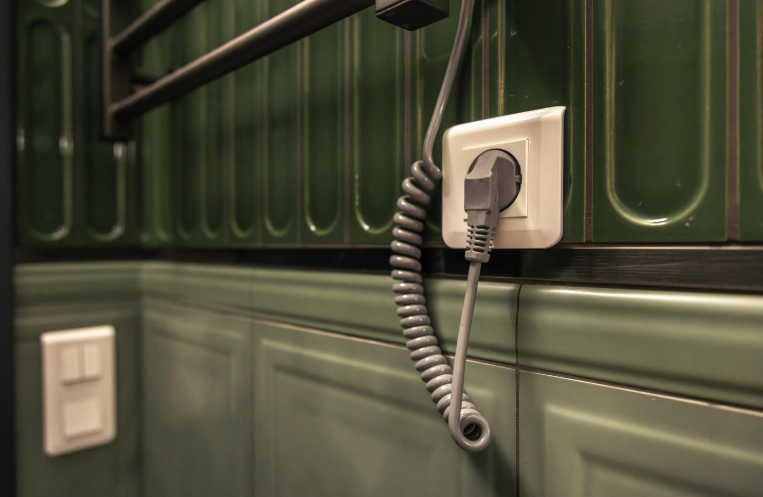
Devices left plugged in can quietly drain your wallet (Photo: Magnific)
What actually helps lower your electricity bill
The most effective rule is not to leave appliances in standby mode unless necessary. If your TV, set-top box, or microwave won't be used for a long time, it's better to unplug them completely or switch them off using a power strip with an on/off button.
It's also worth checking your refrigerator regularly. Clean dust from the back, avoid placing hot food inside, and make sure the door seals properly.
You should also rethink a few everyday habits. Boil only the amount of water you need, wash clothes at lower temperatures, run appliances only with full loads, and unplug chargers once you're done using them.
Another important point is older household appliances. If a device is more than 10–15 years old, it may consume significantly more electricity than modern energy-efficient models. In some cases, replacing just one outdated appliance can save more energy than dozens of small money-saving tricks.
In the end, the biggest difference in your electricity bill usually doesn't come from one major change but from a combination of small habits. Over time, these changes add up just like the extra kilowatt-hours on your monthly bill.