Venezuela tightens repression after US captures Maduro — FT

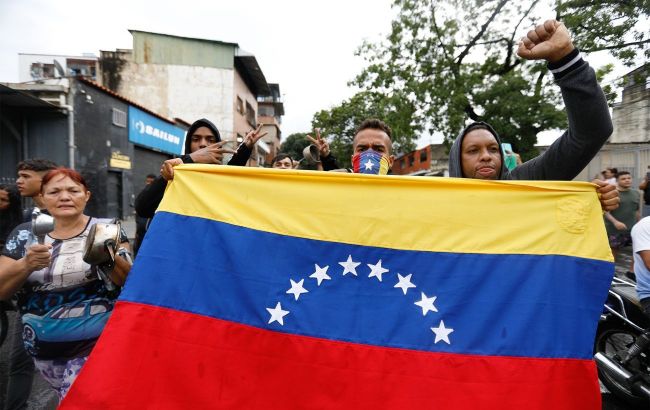 Photo: Repression intensifies in Venezuela following Maduro's disappearance (Getty Images)
After the United States detained Venezuelan President Nicolás Maduro, the country's authorities launched large-scale repressive measures, according to the Financial Times.
Journalists were detained, and units appeared on the streets to suppress any signs of support for the removal of the authoritarian leader.
Trade unions reported the detention of 14 journalists and media workers, 11 of whom represented foreign media outlets. Four of them were later released, but the identities and whereabouts of the others remain unknown. Relatives of those detained are refraining from disclosing their names for fear of persecution.
According to the National Union of Press Workers of Venezuela, most of the arrests took place near the National Assembly building. This happened on the day that Vice President Delcy Rodríguez, whom US President Donald Trump called the future head of a government open to Washington's interests, was officially sworn in as interim president.
A state of emergency decree dated January 3 and revealed in the official gazette required authorities to immediately search for and detain anyone suspected of aiding or supporting an armed attack by the United States on the country's territory.
One human rights activist noted that pressure from the authorities increased sharply on Monday, with security forces checking citizens' mobile phones for material that could indicate support for US actions.
Paramilitary units were put on alert, and checkpoints were set up around the capital. A significant part of these formations is subordinate to Interior Minister Diosdado Cabello, who also controls the police.
According to the Financial Times, after the US military captured Maduro and his wife, Cilia Flores, on Saturday morning and took them to the US, the remnants of the regime are trying to suppress public displays of joy among the population.
Background
Recently, US Army special forces carried out a large-scale operation called Absolute Determination in Caracas, during which Nicolás Maduro and his wife, Cilia Flores, were detained. Washington has charged them with narco-terrorism, specifically large-scale shipments of cocaine and fentanyl to the US.
However, in addition to the fight against drug trafficking, the conflict has deep economic roots. Back in the days of Hugo Chávez, Venezuela nationalized oil fields that belonged to American corporations. Donald Trump has repeatedly called for the return of "stolen assets and land", offering Maduro voluntary resignation in exchange for asylum in Türkiye.
Maduro is currently in custody in New York. US President Donald Trump has already confirmed the US's intention to control Venezuela's energy sector to stabilize the global market.