US leaves South Korea exposed to prioritize Iran: 'Gift' for Kim Jong Un

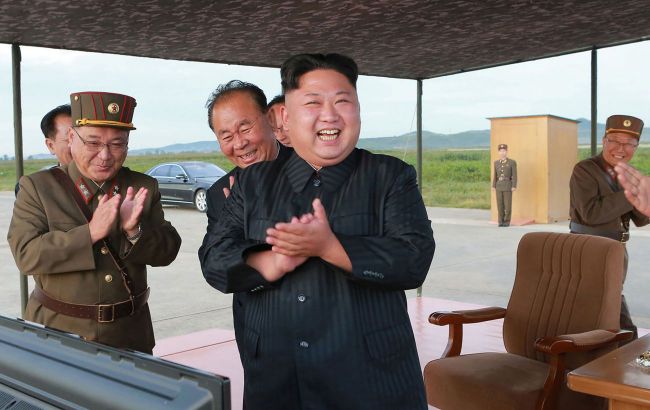 Kim Jong Un (photo: Getty Images)
The US is redeploying Patriot and THAAD systems from South Korea to the Middle East. Experts warn this could weaken Seoul’s air defense, according to CNN.
The US has begun an emergency transfer of its key air and missile defense systems from the Korean Peninsula to the Middle East. This move, made in the midst of military operations against Iran, effectively leaves South Korea without its sole THAAD system and a significant portion of its Patriot batteries.
Emergency redeployment without agreements
According to Yonhap and Defense Express analysts, the US contingent (USFK) is withdrawing its positions. What makes the current situation unusual is its haste:
- Lack of agreements: Unlike in 2025, when the redeployment of systems was discussed in advance with Seoul, the current withdrawal is happening without any prior arrangements with South Korean authorities.
- War context: The US and Israeli operation against Iran has been ongoing for about two weeks, and the need to strengthen defenses there has become critical.
“Gift” for Kim Jong Un
In South Korea, the US had only one THAAD missile battery and between 8 to 10 Patriot batteries. Removing these assets significantly weakens the protective “umbrella” over Seoul. Experts describe this as a real gift for North Korean leader Kim Jong Un, as deterring North Korean missile threats now falls largely on South Korea itself.
Why did the US take such a risk?
The haste in redeployment indicates that, during the planning of Operation Epic Fury, Washington underestimated Iran’s actual capabilities.
- Radar shortage: Four AN/TPY-2 radar stations have already been destroyed in the Middle East (two of them American), which serve as the eyes of the THAAD systems.
- System losses: If the systems moved from Korea are hit by Iran, the US will not be able to replace them quickly, leaving Seoul without American coverage for an extended period.
Will Seoul remain defenseless?
Despite the withdrawal of US assets, South Korea still has its own resources:
- Domestic air defense: 8 Patriot batteries and indigenous KM-SAM systems (based on S-400 technology), which have already proven effective.
- Naval shield: A powerful navy equipped with the Aegis system and SM-3 missiles, capable of intercepting ballistic missiles outside the atmosphere.
Global shift of forces
The situation in the Middle East is forcing the US and NATO to withdraw resources from other strategic directions. NATO Supreme Allied Commander in Europe, General Alexus Grynkewich, has already confirmed to the Senate that some European air defense systems have also been redeployed to support Israel and US bases in the region.