US Intelligence says strikes failed to slow Iran nuclear program — Reuters

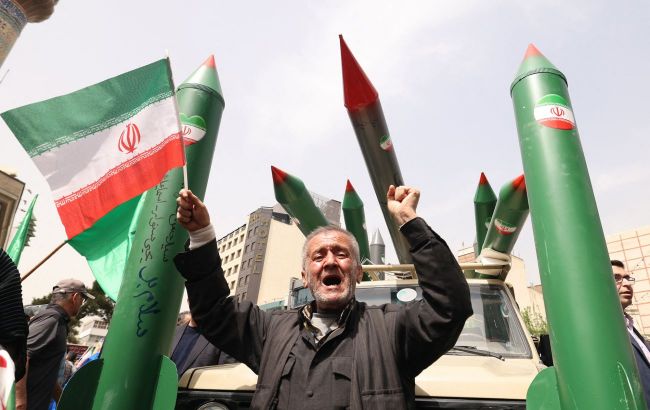 Photo: The new war had practically no effect (Getty Images)
According to US intelligence, strikes on Iran over the past two months have not changed the time Tehran needs to build a nuclear weapon, reports Reuters.
According to two sources, US intelligence had concluded even before the start of the 12‑day war (referring to the 2025 war) that Iran would likely be able to produce enough weapons‑grade uranium to build a nuclear weapon in roughly 3–6 months.
After that war, in which the US struck nuclear facilities at Natanz, Fordow, and Isfahan, American intelligence believed that the timeline for building a nuclear bomb had been pushed back by roughly 9–12 months.
However, now — after the new war of 2026, which lasted more than a month — intelligence believes the timeline for building a nuclear weapon has not changed at all. In other words, it remains the previous 9–12 months.
The unchanged timeline suggests that significantly slowing Iran's nuclear program may require destroying or removing its remaining stockpiles of highly enriched uranium.
In recent weeks, US officials have been considering dangerous operations that could seriously complicate Iran's nuclear efforts. These options include ground raids to seize highly enriched uranium, likely stored in a tunnel complex at the Isfahan facility.
According to IAEA estimates, Iran's total stockpile of highly enriched uranium would be enough for 10 nuclear bombs if the country further enriched it.
What else is known about Iran's nuclear program
Reuters, citing experts, writes that accurately assessing nuclear potential is a difficult task even for the world's leading intelligence agencies.
Several US intelligence agencies have independently studied Iran's nuclear program, and while sources point to a broad consensus on Tehran's ability to build a nuclear weapon, there are also differences of opinion.
It is possible that Iran's nuclear ambitions have been pushed further into the future than intelligence agencies assume.
Ceasefire negotiations
At the end of April, Iran delivered its version of a peace deal to the US through intermediaries. It includes ending the war and lifting the blockade of the Strait of Hormuz, but postpones negotiations on the nuclear program for a later date.
On Sunday, May 3, US President Donald Trump said he had reviewed the Iranian proposal but called it unacceptable — without specifying exactly what he objected to.
Amid these statements, Al Arabiya reported that Iran had lowered its demands. Specifically, Tehran allegedly agreed to discuss the nuclear issue.