US fuel prices rise as fallout from attacks on Russian refineries spreads - Axios

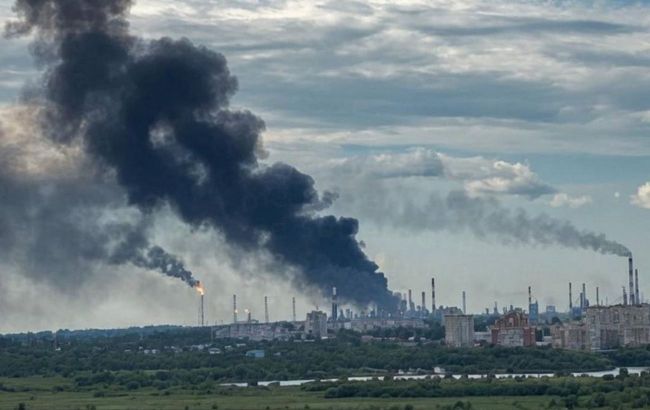 Photo: Strike on the Omsk Oil Refinery (Getty Images)
Successful Ukrainian drone strikes on Russian oil refineries have dealt a major blow to Russia’s oil infrastructure. The consequences of this crisis have already spread globally, driving up fuel prices in the United States, Axios informs.
Against the backdrop of relentless drone attacks, Russia has been forced to impose a ban on fuel exports. Combined with tensions stemming from the war with Iran, the move has pushed global energy prices higher.
In the United States, the impact became noticeable this week, with diesel prices rising above $5 per gallon.
The surge has been driven by shifting trade flows. Traditional buyers of Russian diesel, including Brazil and other developing countries, have been scrambling to secure alternative supplies and have increasingly turned to the United States. This additional overseas demand has further fueled price increases for American consumers.
Hidden scale of Russia's crisis
According to the report, Moscow's decision to halt fuel exports is a clear signal of significant domestic disruptions. While Russia continues to obscure or manipulate economic data, concealing the consequences of Ukrainian strikes is becoming increasingly difficult.
Data from the International Energy Agency (IEA) indicate that conditions for Russia's refining sector have been steadily deteriorating:
- At least 100 strikes on Russian oil refineries have been recorded since August 2025;
- At least 10 successful strikes on refinery facilities were carried out in June alone.
Shortages, queues, and imports from India
Natalia Kaneva, Head of Global Commodities Research at JPMorgan, said refinery disruptions have led to fuel sales restrictions and long lines at Russian gas stations. Prices at some independent filling stations have surged by around 50%.
The crisis is now affecting not only ordinary drivers but also key sectors of Russia's economy, including logistics, utilities, public transportation, and small businesses. Analysts warn that fuel shortages are also posing a serious threat to the upcoming harvest season.
Russian authorities are even considering imposing strict fuel rationing measures to ensure supplies for vehicles transporting food and other essential goods.
At the same time, unable to meet domestic demand on its own, Russia plans to increase gasoline imports from India.
Recently, Russian President Vladimir Putin acknowledged that Ukrainian drone attacks had created "certain problems with petroleum products" for Russia. However, he claimed that the situation was gradually being brought under control.
Despite those assurances, Russian refineries are currently meeting only about 65% of the country's seasonal gasoline demand. The shortfall has been caused by Ukrainian drone strikes that damaged and knocked out several of the aggressor state's largest oil refineries.