US extends green light for deals involving Russian oil, sets new timeline

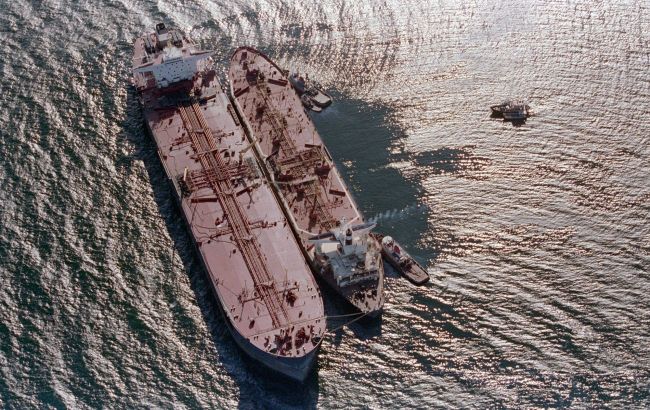 Photo: The US had previously announced a similar decision (Getty Images)
The US Treasury Department's Office of Foreign Assets Control (OFAC) has issued General License No. 134B, which authorizes transactions related to the sale, delivery, and offloading of Russian crude oil and petroleum products loaded onto vessels as of April 17, 2026, reports OFAC.
Validity period and conditions
The license is valid until 12:01 AM Eastern Time on May 16, 2026. It replaces the previous license No. 134A, which was in effect from March 19 to April 11, 2026.
The authorization extends to transactions that are ordinarily necessary for the sale, delivery, or offloading of Russian oil and petroleum products. This includes:
- Safe docking and anchoring of vessels;
- Ensuring crew health and safety;
- Emergency repairs and environmental measures;
- Ship management services, crew manning, bunkering, pilotage, registration, insurance, classification, and salvage.
The license applies to oil and petroleum products of Russian origin, including those produced by companies subject to sanctions under the Russian Harmful Activities and Ukraine/Russia programs.
Exceptions
The license does not permit:
- Any transactions involving persons located or registered in Iran, North Korea, Cuba, as well as in the temporarily occupied territories of Ukraine (according to Executive Orders E.O. 14065 and E.O. 13685, i.e., certain districts of Donetsk and Luhansk regions, as well as Crimea);
- Any other transactions prohibited by other sanctions regimes, including those related to Iran or goods of Iranian origin.
Despite sanctions, some Russian tankers from the shadow fleet continue to transport oil using insurance certificates issued by fictitious companies. Bloomberg reports on this cunning scheme.
Meanwhile, France is preparing a sharp increase in penalties: for the use of false flags, it proposes doubling prison terms (up to 2 years) and fines (up to €300,000).
Sweden, for its part, has already detained a bulk carrier that was sailing from Russia. The reason was a recorded discharge of waste in the Baltic Sea. An investigation into possible violations of environmental legislation is currently underway.