Ukrainians erupt in jokes over Iran: Psychologist explains 'gallows humor' and why it isn’t cynicism

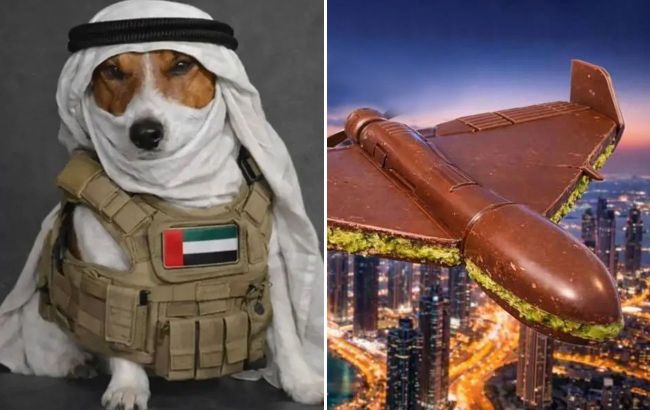 Why Ukrainians’ jokes about Iran aren’t cynical or cruel (RBC-Ukraine Collage)
Laughter through chaos, memes, and anxiety-filled moments worldwide isn’t just entertainment; it’s a complex psychological survival mechanism. When reality becomes unbearable, humor acts as a shield, helping maintain mental resilience.
Anastasiia Bykova, psychologist on the Betobee platform and psychoeducator, explained why Ukrainians choose to laugh even in the darkest times and how ''gallows humor'' works.
After the outbreak of military actions in the Middle East, Ukrainians exploded with memes - from Patron the dog to “how I really don’t want to leave Crimea'' meme.
Some see this as negative, as if such a reaction to tragic events shouldn’t occur for those who have already lived through four years of war. But psychologists explain that laughter in such times is a normal reaction.
Sublimation through humor: a protective reaction to pain
As the saying goes, “we go crazy so we don’t go completely insane.” Our sensitivity threshold has indeed changed, and what might shock others is considered “welcome to our reality” for us.
In these jokes, Ukrainians are not laughing at the pain of others, but rather at themselves in context with their own experiences (when alarms sound, missiles fly, air defense is active, etc.).
“This is a protective reaction, sublimation through humor. Often, it happens when the pain has been overwhelming: self-irony over what we have experienced and continue to experience,” explains the psychologist.
Gallows humor and regaining control
In psychology, there is a real concept, described by Sigmund Freud, gallows humor.
“It is the ability to joke in hopeless situations, to laugh at what scares us, to regain at least partial control over the circumstances,” explains Anastasiia Bykova.
In the case of mass memes and their reposts, a form of collective trauma processing occurs. In fact, it is a sign that:
-
Traumatic experiences are already being partially processed
-
We have adapted
-
We are standing strong
-
This experience does not destroy us, but becomes part of our story
Why laughter should not be forbidden
Humor during stress cannot be forbidden. It is better to live through the horror as much as we can now than to remain alone with it. That is why Ukrainians choose to laugh; it is our way of maintaining psychological integrity.