Ukrainian strikes on Russian airfields force enemy to use air bombs less often

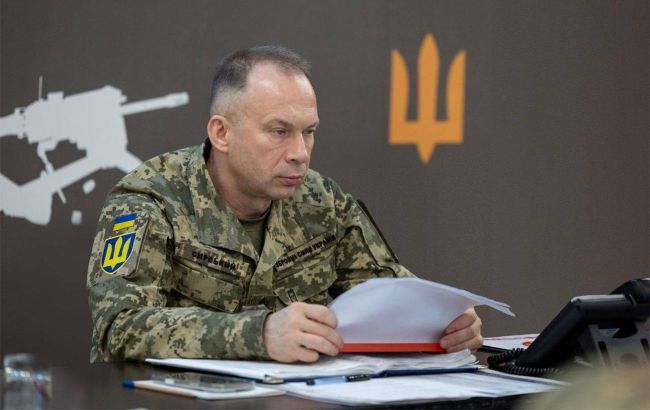
In January, Ukrainian aviation carried out 80 airstrikes on enemy positions, while Ukraine's strike drones completed over 300,000 special missions. This reduced the frequency of Russia’s use of air bombs, according to the Commander-in-Chief Oleksandr Syrskyi.
According to Syrskyi, as a result of strikes on enemy airfields, the use of Russian guided bombs decreased by about 5%. Ukrainian forces continue systematically targeting facilities that support the combat capabilities of Russian aviation.
DeepStrike operations
As part of the DeepStrike operations in January, 48 missions were carried out against Russia’s oil and gas facilities. This led to a 19% drop in overall oil processing in Russia, roughly 53.4 million tons per year.
Air defense work
Despite a shortage of munitions, air defense forces destroyed 21,700 aerial targets throughout the month, including 21,600 enemy drones of various types. Ukrainian troops continue to hold the enemy back and inflict losses in both equipment and manpower.
New Russian air bombs
In early October, Russian forces struck Dnipro with a guided bomb.
On October 16, the Russian army used guided bombs for the first time since the full-scale war to strike Mykolaiv.