Ukrainian strikes force Russia's Wildberries to look for warehouses abroad

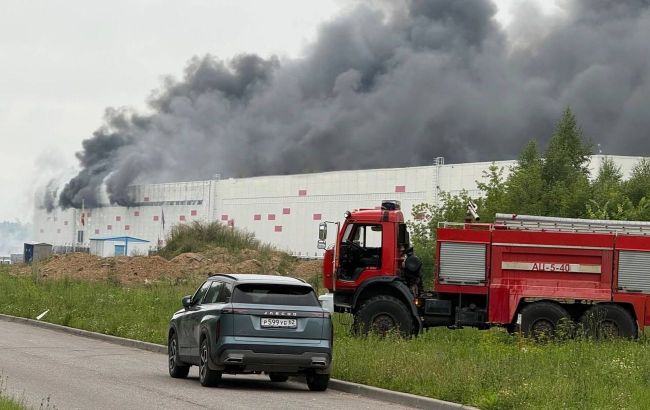 Photo: Fire at the Wildberries warehouse (t.me_exilenova_plus)
Wildberries, Russia’s largest e-commerce marketplace, is attempting to relocate its logistics operations to Kazakhstan. The company is urgently searching for new facilities amid attacks by Ukrainian drones, according to the Russian agency Kommersant.
The RWB Group, which owns Wildberries, has begun actively searching for warehouse space in Kazakhstan. The company is considering options to lease 100,000 square meters or more, or even purchasing all available facilities in the country.
The marketplace’s main goal is to move part of its operations out of the line of fire from new attacks by Ukrainian drones, which have previously struck the company’s Russian warehouses.
Currently, two facilities are already under construction in Kazakhstan for the Russian giant:
- Over 100,000 square meters in Almaty
- About 160,000 square meters in the capital, Astana (scheduled to open next year).
Shortage in Kazakhstan and rejections in Russia
It will be extremely difficult for the Russians to find the space they need. The total volume of high-quality logistics space in Kazakhstan is only 1.9 million square meters, and the vacancy rate is just 5.8%.
In Russia itself, Wildberries has faced serious problems: local property owners are refusing to sign new lease agreements with the company.
The reason for these refusals is not a lack of space, but rather the high risks involved. The presence of Wildberries' goods automatically turns a warehouse into a prime target for drones. At the same time, standard insurance policies for large facilities in Russia simply do not cover losses from drone attacks.
In total, the Russian marketplace has 209 logistics facilities with a combined area of over 5.6 million square meters.
This morning, Ryazan came under a massive drone attack. The Wildberries sorting complex and a local oil refinery were targeted.
Why Wildberries' warehouses have become military targets for the Ukrainian Armed Forces, and how this will affect supplies to the Russian military, the economy, and the lives of ordinary Russians—read about it in this RBC-Ukraine article.