Ukraine's wartime experience could help unblock strategic maritime straits


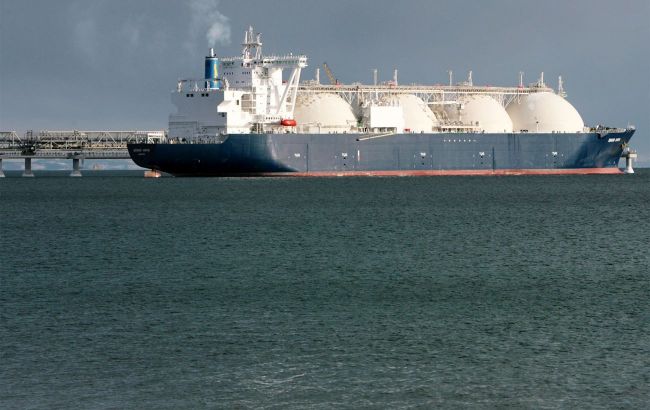 Photo: Drones will help clear strategic sea lanes (Getty Images)
Ukrainian experience can help in unblocking strategic maritime arteries for global shipping, considering the knowledge gained in 2022, according to the RBC-Ukraine article Hormuz is only the beginning? 5 global chokepoints that could disrupt world economy.
New crises in Bab el-Mandeb or Malacca may arise sooner or later. Not to mention the Strait of Hormuz, where full-scale navigation has still not been restored. However, the main question is not where the next escalation will occur, but what to do about it.
In such a case, Ukraine can offer the world a unique experience, as it has gone through a Russian naval blockade in 2022.
In the Hormuz Strait, Iran uses the same set of means that the Armed Forces of Ukraine learned to counter in the maritime space between Odesa and Snake Island: drones, mines, and missiles. But unlike previous years, the success of deblockade operations now depends on minimizing the size of vessels.
“The main thing in such a confined area is not to become a target yourself. This is relevant for any ships or boats longer than 40 meters,” said Andrii Ryzhenko, a reserve captain first rank and deputy chief of staff of the Ukrainian Navy in 2004–2020.
According to him, traditional minesweeper vessels have become too vulnerable to modern means of destruction.
“Even 15 years ago, NATO considered these ships suitable only for low-intensity conflicts, and they were always under the protection of coastal air defense systems,” he adds.
In conditions of a large-scale war, such vessels will be destroyed even before approaching. This is one of the reasons why the United States has still not undertaken full demining of the Strait of Hormuz.
That is why the concept of a robot fleet may be more effective. Deblocking and patrol operations today are only possible with the help of unmanned systems – aerial, surface, and underwater.
Kyiv already has these competencies and is ready to share them. However, whether the Ukrainian standard will become global now depends not only on technology, but also on the political will of partners.
Situation in the Strait of Hormuz
On April 13, the United States announced the beginning of a naval blockade of the Strait of Hormuz after Iran restricted the movement of ships in response to US and Israeli strikes.
US President Donald Trump stated that violators of the blockade may be destroyed, and also reported significant losses of the Iranian fleet. According to Axios, Iran has laid new naval mines, while the US is using underwater drones for demining.
Traffic through the strait, through which about 20% of global oil is transported in peacetime, has decreased to a minimum.
Against this background, Germany has begun preparing for possible deployment in the area of the strait. Berlin plans to transfer a minesweeper and a support vessel in advance, even at the cost of a partial reduction of presence in other regions.