Ukraine ramps up long-range attacks on Russia to record levels — NYT

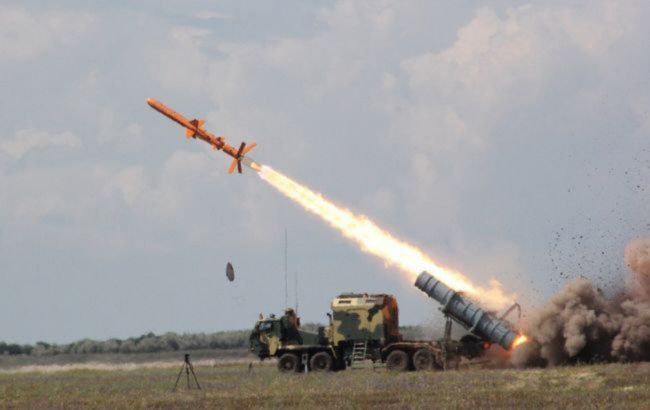 Ukraine sets records for the number of long-range strikes against Russia (photo: facebook.com/GeneralStaff.ua)
Ukraine is stepping up its long-range strikes against Russia and expanding operations targeting Russian military assets abroad. Over the past 50 days, the Defense Forces have struck 40 facilities in Russia's oil and military-industrial sectors, The New York Times reports.
The outlet says Ukraine has brought the intensity of its long-range operations against Russia to a record high. On some days, Ukrainian forces launched more than 1,000 drones into Russian territory.
The NYT notes that Kyiv's campaign has continued despite calls from US President Donald Trump to stop striking Russian oil refineries. Ukraine is seeking to reduce Moscow's revenues and disrupt fuel and weapons supplies to the Russian army.
Reports indicate that Ukrainian operations span at least five seas and extend more than 2,400 kilometers. Targets have included a fuel terminal on the White Sea and a missile fuel production facility in Siberia.
Strikes on Russian assets abroad
In addition, Ukrainian forces have attacked Russian vessels outside Russia. In particular, a military cargo ship, the Sparta II, caught fire after being struck in the Gulf of Finland.
Near the Libyan port of Benghazi, the Russian warship Merkury sank with a combat helicopter on board. A cargo ship was also hit that, according to Ukrainian President Volodymyr Zelenskyy, was carrying weapons.
How much damage Russia's oil industry suffers
Ukrainian attacks embrace various stages of Russia's oil industry, from crude transportation to refining and maritime exports.
According to the International Energy Agency, production at Russian oil refineries is approximately 30% lower than during the same period last year.
Gasoline production has fallen by 20%, while diesel fuel output is down by almost 30%. Due to problems supplying its domestic market, Moscow has restricted fuel exports.
The NYT assesses that long-range strikes are also forcing Russia to spend additional resources protecting its infrastructure. In particular, Moscow has to redeploy air defense systems from the front lines and involve its naval forces in protecting vessels.
Head of Ukraine's Presidential Office Kyrylo Budanov acknowledged that long-range strikes alone cannot secure victory in the war. However, each strike forces Russia to repair damaged facilities, lose production capacity, reroute logistics, and incur additional costs.
How Ukraine expands its strike capabilities
Ukraine's growing domestic defense industry is allowing Kyiv to extend the geographical reach of its attacks. Initially, Ukrainian manufacturers modified commercial drones for military use. They are now developing jet-powered strike systems and heavy cruise missiles. Ukraine is also accelerating the development of its own ballistic missiles.
In addition, Ukrainian engineers are increasingly using artificial intelligence in military technologies. Zelenskyy has said that hundreds of Ukrainian defense technology companies are already using such developments.
Kyiv has also reached agreements with Germany to jointly produce reconnaissance drones and with the United Kingdom to produce more than 1,000 long-range strike drones.
These projects are intended to help Ukraine maintain its ability to strike targets at long distances regardless of political changes in the United States, the NYT notes.