Ukraine deploys combat robots into kill zone, Business Insider says

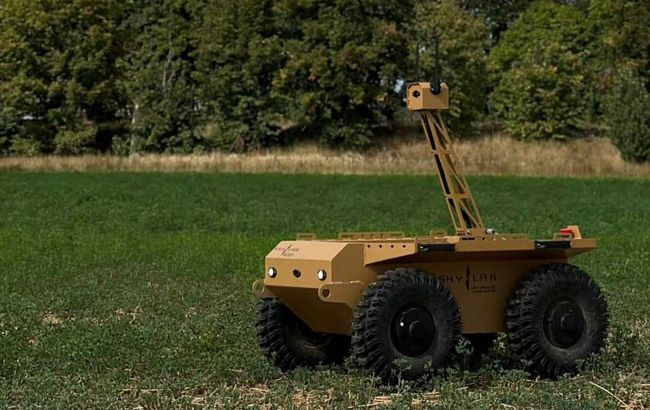 Photo: Ukraine is mass-deploying combat robots into the kill zone (facebook.com/mykhailofedorov)
Ukraine is rapidly increasing the number of ground combat robots on the battlefield, assigning them an expanding range of high-risk tasks. The unmanned platforms deliver ammunition, evacuate wounded soldiers, lay mines, and attack Russian positions, according to Business Insider.
The report notes that dense minefields, artillery fire, and widespread drone warfare have made frontline resupply one of the most dangerous missions.
"If you send a human driver to deliver such things, there is a huge chance that he will be killed," said platoon commander Andrii Kushnerov of Ukraine's 59th Separate Assault Brigade.
Because of this, the Ukrainian military is increasingly using ground-based unmanned systems to transport supplies, food, and evacuate the wounded.
One of the manufacturers of such systems is the Ukrainian company Ratel Robotics. CEO Taras Ostapchuk said the company's first robot, developed in late 2023, was essentially a self-propelled platform carrying anti-tank mines for strikes on enemy targets.
Today, the company produces hundreds of unmanned ground vehicles per month.
The cost of the robots ranges from $2,000 to $40,000, depending on size and capabilities.
Modern platforms can carry hundreds of kilograms of cargo, evacuate wounded soldiers, lay mines, launch FPV drones, and conduct strike missions.
According to the report, Ukraine ordered 25,000 ground robots in the first half of 2026 — twice as many as in all of 2025. Production is expected to reach 50,000 units by the end of the year.
Ukrainian President Volodymyr Zelenskyy previously said that domestically produced robots had carried out more than 50,000 missions since the beginning of the year.
According to Andrii Hrytseniuk, head of the state-run Brave1 platform, around 280 manufacturers in Ukraine are currently producing more than 550 models of ground robots.
"We should not risk our soldiers. Everything that is possible to replace by drone, we are replacing with drones," Hrytseniuk said.
At the same time, even advanced systems remain vulnerable on the battlefield. Kushnerov said a ground robot near the front line typically survives only five to ten missions.
This is a loss Ukraine is willing to accept if it saves soldiers' lives.
To improve survivability, manufacturers are adding fragmentation-resistant armor and developing defenses against FPV drones.
Ukrainian military officials say the mass use of low-cost unmanned systems is changing the nature of warfare itself.
According to a commander from the Kraken Regiment's drone unit, call sign "Grek," robots increase the army's "operational endurance" because they do not get tired and can operate in areas where the risk to humans is too high.
Experts say Ukraine's experience could become an important lesson for other countries.
Future wars may be shaped not only by expensive high-tech systems, but also by the ability to rapidly produce large quantities of relatively cheap robotic platforms that can be easily replaced after battlefield losses.
NGV on the front line
Ukrainian ground-based unmanned systems (NGVs) on the battlefield are taking on nearly half of all logistics tasks, evacuating the wounded, and even capturing Russian soldiers.
An NBC officer of the 32nd Steel Separate Mechanized Brigade, call sign "Witcher," has even created a unique company composed of robots.