Ukraine could double interceptor drone output with EU loan, Zelenskyy says

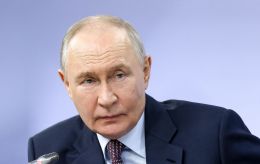
 Photo: Volodymyr Zelenskyy, President of Ukraine (Getty Images)
A lack of funding is directly limiting Ukraine’s defense capabilities, and a €90 billion loan would help solve the problem, said Ukrainian President Volodymyr Zelenskyy in an interview with CNN.
Zelenskyy on the funding shortfall
Zelenskyy stressed that insufficient funding has a direct impact on Ukraine’s ability to defend itself.
According to him, the country is capable of producing more weapons than current funding levels allow. As an example, he pointed to interceptor drones, highlighting the gap between production capacity and actual output.
"But we don’t have the funding. It’s really a question of our life, of surviving, for defending, we need this money very much," he told CNN.
Ukraine’s production capacity
The President said that Ukraine is currently producing around 1,000 interceptor drones per day, although it could technically increase output to 2,000 units. However, limited funding is preventing the country from realizing this potential.
EU unlocks loan for Ukraine
The loan support promised to Kyiv several months ago had long remained uncertain due to Hungary’s position.
Hungarian Prime Minister Viktor Orbán, who is set to leave office soon, had been blocking the decision and demanded that Ukraine restore the transit of Russian oil to Europe through Hungarian territory.
After his defeat in the parliamentary elections, the situation changed, removing one of the key obstacles.
On Wednesday, oil transit via the Ukrainian section of the Druzhba pipeline resumed, and EU representatives gave preliminary approval to the loan for Kyiv.
Slovakia said it will not oppose unlocking €90 billion in financial aid for Ukraine, but will support the EU’s 20th sanctions package against Russia only after oil transit through the Druzhba pipeline is restored.
EU ambassadors have already given preliminary approval to a €90 billion loan for Ukraine, as well as the 20th package of sanctions against Russia. Final approval is expected on Thursday, April 23.