Ukraine confirms strike on Orsk refinery: Why it matters for Russia

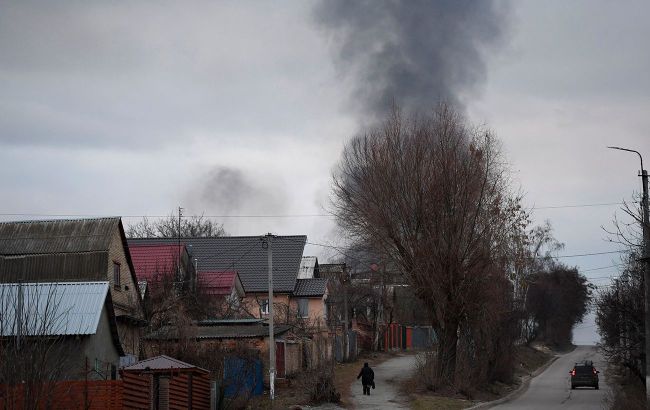 Illustrative photo: explosion (Getty Images)
Between April 29 and the night of April 30, Ukraine’s Defense Forces carried out a series of strikes on several key Russian military targets, including an oil refinery and enemy military equipment, according to the General Staff of the Ukrainian Armed Forces.
According to the military command, one of the targets hit was the Orsknefteorgsintez oil refinery in the city of Orsk, Orenburg region of Russia. A strike on the facility’s territory was confirmed, followed by a fire.
It is noted that the facility is involved in supplying the Russian army. The refinery produces more than 30 types of petroleum products, including gasoline, diesel fuel, and aviation kerosene. Its design refining capacity reaches up to 6.6 million tons of oil per year.
Strikes on military equipment and air defense systems
Strikes were also reported on Russian Mi-28 and Mi-17 helicopters near the settlement of Babki in Russia’s Voronezh region.
In addition, Ukrainian forces hit a Tor-M2 surface-to-air missile system near Oleksandrivka in the Zaporizhzhia region.
Strikes on command posts and depots
The Defense Forces also struck a command post of an enemy artillery brigade in Lysychansk, located in the temporarily occupied territory of the Luhansk region.
A munitions depot near Kreminivka in the occupied part of the Donetsk region was also hit, along with a base for boats in the Black Sea.
Ukraine's operations
The military said the extent of the damage is being assessed. Ukraine’s Defense Forces stated that systematic strikes on key enemy targets will continue until Russia’s armed aggression ends.
Ukraine’s Defense Intelligence reported that Russian troops from the 7th Air Assault Division in the Orikhiv direction of the Zaporizhzhia region have been disguising themselves by wearing civilian clothing.
EU foreign policy chief Kaja Kallas said Europe should not appeal to Russia for negotiations but instead create conditions that would force Moscow to engage in meaningful dialogue.