UK introduces programs in schools to ready teens for political participation

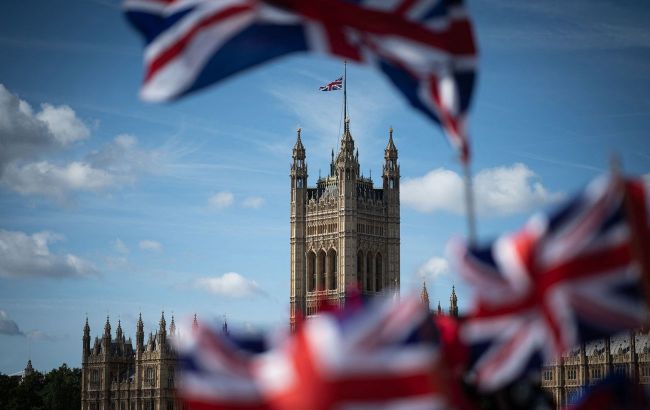 Children who are now 12 years old will be able to vote in the next elections (Photo: Getty Images)
The UK government has announced plans to lower the minimum voting age from 18 to 16, with special programs on politics to be introduced in schools, reports Politico.
If the proposed changes are approved, citizens who are currently only 12 years old would be eligible to vote in the next general election. The upcoming election is expected to be one of the most competitive in recent years, amid a showdown between current Prime Minister Keir Starmer and right-wing leader Nigel Farage.
The move to lower the voting age is part of the Labour government’s broader plans to reform the electoral system and engage young people in political processes. London officials believe that participation by younger voters could boost political activity and strengthen trust in democratic institutions.
Special programs to be introduced in schools
Expanding the electorate will require additional preparation. In this context, the UK Electoral Commission has recommended updating school curricula to include mandatory lessons on the basics of democracy, the electoral system, and principles of government from an early age.
The initiative’s authors hope this will help teenagers better understand political processes and participate consciously in elections.
Amid discussions of the reform, Politico conducted a focus group with eight 12–13-year-olds from different regions of the UK. Participants showed interest in both domestic and international politics and expressed informed opinions on key issues such as immigration, climate change, and social inequality.
However, when asked who they would vote for if elections were held today, most teenagers could not give a clear answer. The publication noted that this reflects a general interest in politics among youth but also a lack of established party identification at this age.
The government initiative is expected to spark lively debate in both Parliament and society. Critics emphasize that teenagers lack sufficient life experience, while supporters argue that early engagement in the electoral process is an investment in the future of democracy.
On July 5, 2024, Labour leader Keir Starmer officially became the next Prime Minister of the UK, succeeding Rishi Sunak.
The next UK general election is scheduled to take place no later than January 2029 unless Parliament is dissolved early. A tense campaign is expected amid the confrontation between Starmer’s Labour government and right-wing forces, particularly Reform UK, led by Nigel Farage, which could significantly shift the country’s political balance.