UK and Norway establish joint fleet to monitor Russian submarine operations in North Atlantic

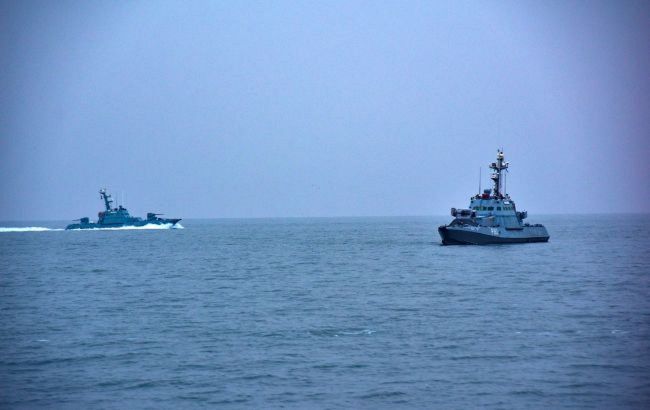 Britain and Norway will create a fleet to track Russian submarines (photo: Getty Images)
The United Kingdom and Norway are preparing to sign a defense agreement that would create a joint naval fleet to track Russian submarines in the North Atlantic, The Independent reports.
Details of the agreement
The purpose of the pact is to protect undersea internet cables and pipelines that have become more vulnerable due to increased Russian activity.
According to the UK Ministry of Defense, the number of Russian ships near Britain has increased by 30% over the past two years.
The document is expected to be signed during a meeting between Prime Minister Keir Starmer and Norwegian Prime Minister Jonas Gahr Støre at a military base in Scotland.
The agreement has been named the Lunna House agreement after a historic base in the Shetland Islands. The basis of the pact is a contract for the construction of military ships worth 13.3 billion dollars.
The new fleet and its tasks
As stated in the article, the new ships are intended to ensure control over the movements of the Russian fleet in the waters between Greenland, Iceland, and the United Kingdom.
They will protect undersea cables and pipelines that are critical for communication systems, energy supplies, and gas deliveries.
Under the agreement, the United Kingdom will also join Norway's program to develop base ships for unmanned systems used in mine countermeasures and underwater warfare.
Strategic significance
In addition, British marines will undergo training in Norway to operate in difficult winter conditions, and the countries will expand cooperation on the use of Sting Ray torpedoes and joint exercises.
Another area will be the development of NATO autonomous systems in the High North.
Prime Minister Keir Starmer emphasized the importance of the new partnership.
"At this time of profound global instability, as more Russian ships are being detected in our waters, we must work with international partners to protect our national security. This historic agreement with Norway strengthens our ability to protect our borders and the critical infrastructure our nations depend on," he stressed.
It is also reported that the Royal Navy will receive advanced Norwegian naval strike missiles capable of hitting targets at distances of more than 100 miles.
What came before
In October of last year, a Russian vessel carrying dangerous cargo entered the English Channel and was then described as a "floating bomb."
In January 2025, the United Kingdom again detected Russian activity in the strait, including a Russian intelligence ship. And in November, Defense Secretary John Healey stated that another Russian vessel was present off the coast of Scotland, likely gathering data on underwater infrastructure, and was being monitored.