Trump unveils new tariffs of up to 40% on major US trading partners

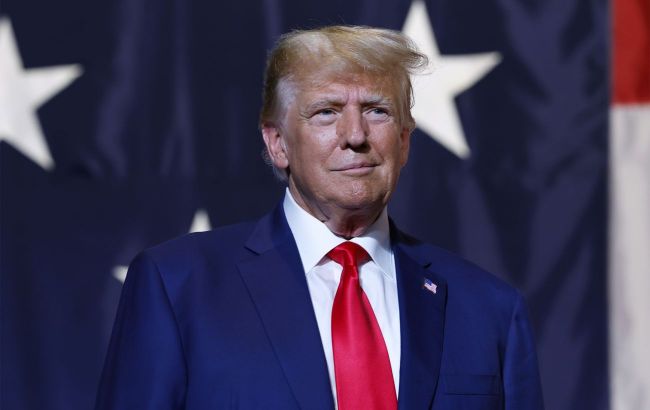 US President Donald Trump (photo: Getty Images)
The United States has announced a new round of tariffs targeting several economies, including China and the European Union, the BBC reports.
Trump's new tariffs
The new taxes levied on imports into the United States will affect many of the country's largest trading partners: China, the European Union, and 12 other jurisdictions.
China faces the highest rate of up to 40%, followed by Vietnam at up to 35%, while other countries face rates of 20% or 25%.
The new tariffs are expected to take effect no earlier than next year.
Tariffs are taxes levied on imported goods. They are typically calculated as a percentage of a product's value and paid to the government by businesses importing goods from abroad.
Some of these rates will be effectively reduced due to tariff caps agreed to by Trump. Individual countries also face different duties.
The proposed tariffs will affect:
-
China;
-
European Union;
-
Singapore;
-
Switzerland;
-
Indonesia;
-
Malaysia;
-
Cambodia;
-
Thailand;
-
Korea;
-
Vietnam;
-
Taiwan;
-
Bangladesh;
-
Japan;
-
India.
Reasons behind the new tariffs
US Trade Representative Jamieson Greer said the latest tariffs would "level the playing field for American workers and chart a new, more sustainable course for the world economy."
However, economists warn that tariffs could fuel inflation and raise consumer prices if businesses pass on higher costs, as well as slow global trade.
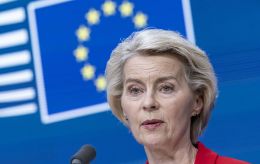
The European Commission rejected the new US tariffs, saying it would investigate the reasons behind their introduction. It noted that tariffs are capped at the previously agreed rate of 15%.
The US Court of International Trade previously ruled Trump's temporary 10% global tariffs unlawful, but blocked them only for two importing companies and Washington state. For everyone else, the tariffs remain in effect pending the outcome of the appeal.
In addition, US President Donald Trump announced 25% tariffs on European cars but subsequently postponed the measure until July 4.
The US president also increased trade pressure on foreign pharmaceutical manufacturers. His administration is introducing higher tariffs on imported medicines to encourage manufacturers to relocate production to the United States.