Trump's tariffs ruled illegal, yet blocked only in three cases

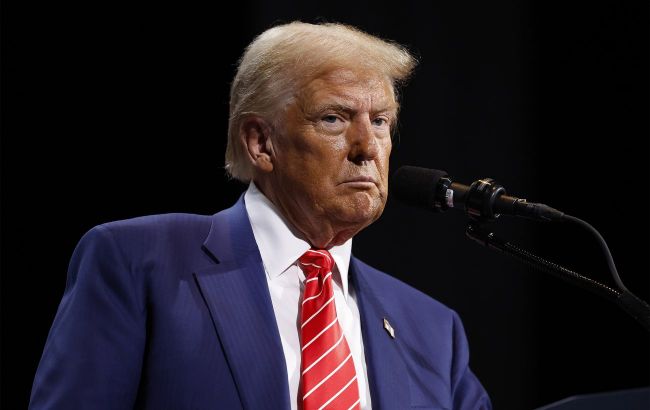 Donald Trump, President of the US (photo: Getty Images)
A US international trade court has ruled that Trump's 10% temporary global tariffs are illegal, but has only blocked them for two importing companies and the state of Washington. For all other importers, the duties remain in effect until the appeal is completed, according to Reuters.
What the court decided
The court ruled 2–1 that Trump improperly used Section 122 of the Trade Act of 1974 to impose the tariffs. The law allows the imposition of tariffs of up to 15% for up to 150 days to correct a balance of payments deficit — but the court found that a $1.2 trillion trade deficit does not justify the use of this provision.
The court rejected the request from 24 states for a broad injunction blocking the tariffs for all importers — most states are not importers that pay these duties, so they lack standing to bring such a lawsuit. An exception was made for the state of Washington, which proved it paid the duties through the University of Washington.
Who filed the lawsuit
Among the plaintiffs were the toy manufacturer Basic Fun! and the spice importer Burlap & Barrel. They argued that the new tariffs were an attempt to circumvent a Supreme Court ruling that previously struck down Trump's global tariffs imposed under emergency economic powers law.
What happens next
The Trump administration will appeal the decision. Until July 24 — the date when the tariffs are set to expire — the government will continue collecting them from most importers. After that, according to legal experts, permanent tariffs could be introduced on a different legal basis — Section 301. The ruling comes a week before scheduled talks between Trump and Chinese leader Xi Jinping in Beijing.
Just a week earlier, Donald Trump announced plans to impose 25% tariffs on European automobiles, but later postponed the decision — as is now known — until July 4.
In addition, the US president has expanded trade pressure on foreign pharmaceutical manufacturers. The administration is introducing higher tariffs on imported medicines in order to encourage production to be relocated to the US.
The EU has reacted strongly to Washington’s actions. In particular, Lithuania’s finance minister called on the EU to continue negotiations with the US while also preparing reciprocal countermeasures.