Trump's ceasefires in Ukraine became political theater, professors say

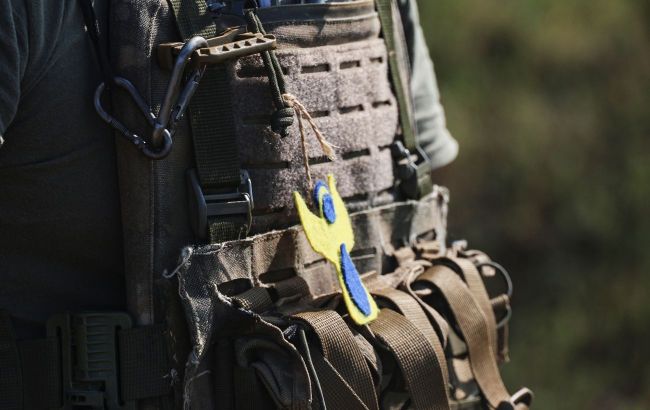 Photo: Ukrainian Armed Forces (Getty Images)
Professors Madhav Joshi and Daniel Byman believe that under Donald Trump, ceasefires in Russia’s war against Ukraine have become part of political diplomacy rather than a genuine step toward peace, according to The New York Times.
Ceasefires have become part of a political spectacle
According to the professors, the latest announced ceasefire between Russia and Ukraine showed that the very idea of a truce has changed.
Analysts believe that temporary pauses in hostilities have turned into a political tool tied to the media agenda.
The professors point out that during the three-day ceasefire announced by Trump, fighting effectively continued.
Russian drones, missiles, and guided aerial bombs continued to strike Ukraine, and civilians were killed.
Professors point to problems in the negotiation process
Professor Madhav Joshi noted that successful peace agreements usually require long preparation.
According to his research of 42 peace agreements concluded between 1989 and 2018, implementation took an average of around four years.
In his view, current attempts at a ceasefire between Russia and Ukraine lack key conditions for success, including independent monitoring and a полноценная political framework for negotiations.
The professors also noted that the negotiation process between Moscow and Kyiv mediated by the United States has effectively been frozen for months, while announcements of new ceasefires appear suddenly and without prior diplomatic groundwork.
The White House seeks quick results
Georgetown University professor Daniel Byman believes the Trump administration has shown impatience toward lengthy diplomatic work.
According to him, Trump views the mere announcement of a ceasefire as an achievement of peace.
The professors emphasize that this approach sidelines complex negotiations and the work of professional diplomats. Analysts believe the focus is placed primarily on loud political statements and media impact.
Ukraine remains skeptical
According to the professors, Ukraine’s skeptical attitude toward temporary pauses stems from previous experience.
Analysts recalled the Minsk agreements, humanitarian corridors in 2022, and the Orthodox Christmas ceasefire in 2023, none of which led to a real halt in fighting.
The professors believe Kyiv agrees to such initiatives largely to avoid accusations of being unwilling to pursue peace.
At the same time, analysts say even short-term pauses can still provide some benefits.
Recently, German Defense Minister Boris Pistorius said after visiting Ukraine that he sees signs of a possible turning point in the war. According to him, Ukraine currently has a certain advantage, while Russia is facing problems simultaneously in its economy, domestic situation, and on the battlefield.
Meanwhile, Ukrainian Foreign Minister Andrii Sybiha stated that the war with Russia costs Ukraine approximately $450 million every day. According to him, 2026 could become a key year for achieving peace, although this will be impossible without the support and participation of the United States.