Trump extends Russia sanctions for one year over war in Ukraine

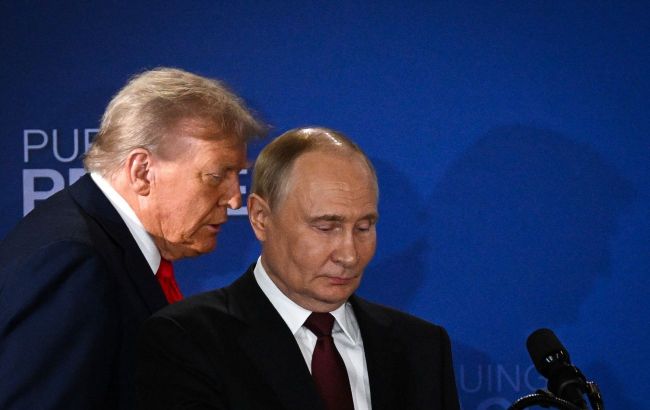 Photo: US President Donald Trump and Russian President Vladimir Putin (Getty Images)
US President Donald Trump approved a one-year extension of the anti-Russian sanctions imposed in response to the invasion of Ukraine, according to the relevant executive order.
Read also: Greek tankers halt Russian oil shipments amid Trump sanctions
"I am continuing for 1 year the national emergency declared in Executive Order 13660 (the first US sanctions against Russia, introduced in 2014 - ed.)," the document reads.
The order emphasizes that Russia’s actions and policies "continue to constitute an unusual and extraordinary threat to the national security and foreign policy of the United States."
The text refers to the national emergency (sanctions) first imposed on Russia on March 6, 2014, as well as other documents through which sanctions against the aggressor were gradually expanded. The grounds for the extension include the illegal occupation of Crimea, the use of force against Ukraine, and Russia’s recognition of the so-called DPR and LPR (Donetsk and Luhansk People's Republics).
The document is dated February 18 and is scheduled for publication in the US Federal Register on February 20.
US sanctions against Russia
Executive Order 13660, which Trump extended, forms the foundation of the entire US sanctions architecture against Russia. It was signed in response to the start of Russian aggression in Crimea. The order established a "national emergency" regarding threats to US national security and foreign policy.
Based on this and subsequent executive orders (including 14065 and 14068, issued in 2022), the following measures are in effect:
-
Personal sanctions targeting the inner circle of Russian President Vladimir Putin, Russian oligarchs, and officials;
-
Sectoral restrictions that block Russia’s access to Western technologies, capital, and energy equipment;
-
Ban on the import and export of strategic goods, as well as restrictions on transactions involving Russian government debt.
The annual extension of this national emergency is a legal necessity to ensure that all imposed restrictions remain in effect and do not automatically expire.
Russia seeks sanctions relief
The Kremlin hopes that the US will lift the anti-Russian sanctions. Moscow is trying to entice Washington with economic benefits for the United States itself.
Kremlin special representative Kirill Dmitriev stated that the restrictions have already cost American businesses over $300 billion in losses.
According to him, ending the sanctions policy would pave the way for joint projects, which he estimates could be worth $14 trillion.