Türkiye and UN prepare new Ukraine-Russia talks on Black Sea ceasefire

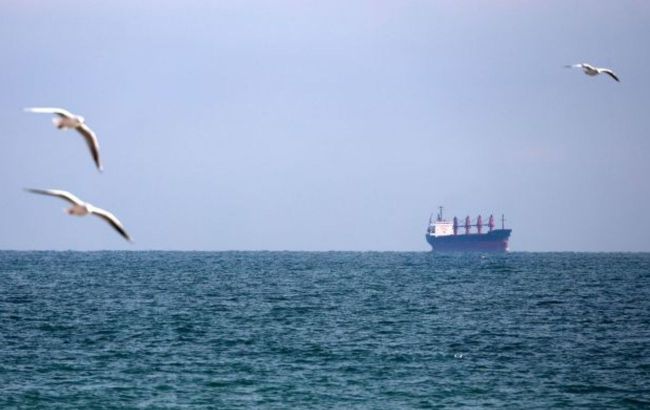 Türkiye and the UN seek a ceasefire in the Black Sea (photo: Getty Images)
Türkiye and the UN are preparing a new round of talks between Ukraine and Russia on a Black Sea ceasefire to protect grain ships, according to Bloomberg.
The main goal of the initiative is to protect global grain supplies and stabilize food prices, whose sharp increases hit developing countries the hardest.
The meetings are expected to take place in early October. According to sources, envoys from the Swiss non-governmental organization Centre for Humanitarian Dialogue will act as mediators in the talks.
The initiative was launched in late September during a closed-door meeting on the sidelines of the UN General Assembly. Turkish officials took part, along with representatives from the US, European countries, India, and Egypt, which has suffered significant losses due to disruptions in agricultural supplies.
The participants are discussing a clearly defined and reciprocal agreement that would guarantee free commercial shipping as well as the safety of ports and energy infrastructure facilities.
More than a quarter of global exports
The new attempt to reach an agreement comes amid escalating tensions in the Black Sea. Ukraine and Russia account for more than a quarter of global wheat exports, but intensified attacks on port infrastructure have already pushed wheat futures to a three-year high in August.
The global food security situation is further complicated by adverse weather conditions in other parts of the world, which have significantly reduced crop yields.
The organizers are seeking to repeat the success of the 2022 Black Sea Grain Initiative, which was also coordinated by Türkiye and the UN.
At the time, the parties managed to establish a safe corridor for exporting grain, fertilizers, and food from Ukrainian ports, making it one of the rare examples of an effective ceasefire since the start of the full-scale invasion.
Russia's attempts to reroute grain exports away from the Black Sea to alternative routes are failing. In particular, the new ports are handling only a tenth of the volume.
Estonia has banned the transit of Russian and Belarusian grain through its territory. The move came in response to Russia blocking exports of Ukrainian agricultural products.