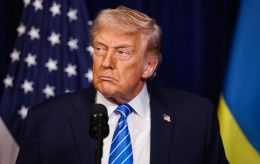
South Korea accelerates nuclear submarine program after Trump's approval

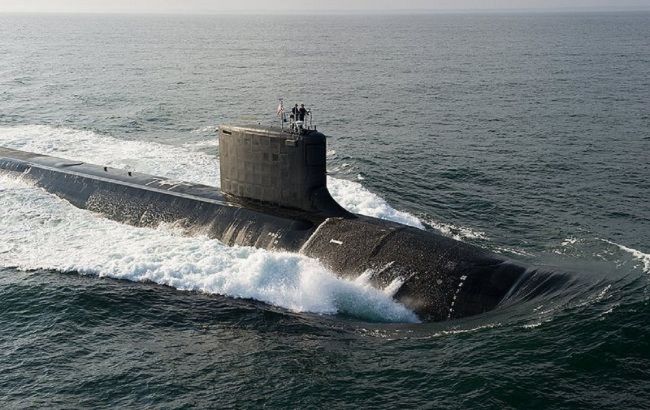 South Korea begins developing nuclear submarines (Illustrative photo: wikipedia.org)
South Korea is sharply accelerating its plans to develop nuclear-powered submarines after receiving approval from US President Donald Trump. This move could significantly affect the security landscape in East Asia and intensify an underwater arms race, Reuters reported.
Breakthrough for South Korea
According to the report, Seoul has for many years sought to join the group of states that possess nuclear-powered submarines to counter North Korea. Trump's approval became a key breakthrough in gaining access to nuclear fuel under an intergovernmental agreement, noted retired Navy Colonel Moon Geun-woo.
However, the rapid development of the program may strain relations with China and prompt Japan to develop its own nuclear-powered submarines. Analysts warn that the region is inevitably approaching a new stage of an arms race.
Officials in Seoul emphasize that a nuclear propulsion system is a critical element for tracking North Korean underwater threats, including submarine-launched ballistic missile (SLBM) launches. President Lee Jae Myung called the agreement with the United States an important breakthrough that strengthens the country's defense autonomy.
North Korea claims to be developing its own nuclear submarines, and state media have already showcased a submarine presented as nuclear-powered. Analysts suggest that Pyongyang may be receiving technical assistance from Russia — something Seoul is watching closely.
Rising tensions in Asia
South Korea's plans also align with US interests, as Washington seeks to contain China's growing influence. US Navy Admiral Daryl Caudle noted that future South Korean nuclear submarines could become an essential component of regional deterrence.
In Japan, news of Trump's support was received with pain — Tokyo had believed it might be the first to receive US approval for such a program. Although there have been no official comments, Japan's Ministry of Defense acknowledges that nuclear propulsion is under consideration.
Experts also warn of the risk of a "nuclear domino'' effect — a sharp increase in underwater capabilities could trigger rearmament across the entire region.
Long-term plans and US support
South Korea has been working on the project for many years and is estimated to be able to build its first nuclear submarine within roughly 10 years. Washington has already agreed to help provide atomic fuel — a key element that Seoul had previously lacked.
Officials in Seoul state that "the train is already moving," and the United States supports its ally's efforts to develop a fleet of nuclear-powered attack submarines.
The United States had earlier planned to deploy its own nuclear submarines to South Korea as a means of deterring potential North Korean aggression.