Six sports that help women 50+ stay energized, strong and youthful

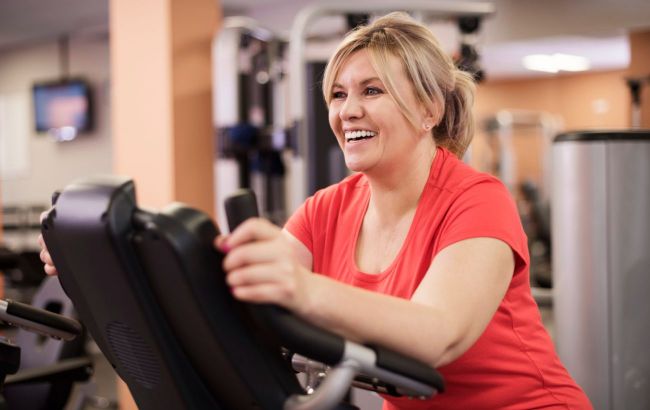 Physical activities that help women 50+ stay healthy and active (photo: Freepik)
Regular physical activity after age 50 helps women maintain heart, bone and muscle health and supports a longer life. Experts recommend incorporating simple yet effective exercises that safely strengthen the body and preserve mobility, according to Eating Well.
Read also: How long does it take to turn exercise into routine?
Brisk walking
Walking is often recommended as one of the best forms of physical activity.
Studies published in the journal Nutrients show that walking after meals can help lower blood sugar levels. It is also an easy activity that can be enjoyed with a friend, while listening to music or enjoying natural scenery and sounds.
To get the most benefit, it’s important to increase the intensity by walking at a brisk pace as if you’re walking with purpose rather than strolling. You can boost intensity by choosing routes with hills, which will give your heart, lungs, and muscles a more effective workout.
You can also try interval walking, alternating between fast and moderate speeds to increase the intensity.
Weight-bearing exercises for bone strength
After about age 30, bone mass begins to decline. Weight-bearing exercises help preserve skeletal muscle while loading or strengthening the bones, which stimulates bone-forming cells.
This type of exercise plays a key role in maintaining bone mineral density in women. Outdoor walking and sports such as tennis or dancing are excellent ways to support bone health.
Resistance exercises, including lifting heavy objects or using resistance bands, can also benefit bone strength.
Pool workouts for joint pain
If exercise causes discomfort, water-based workouts such as aqua aerobics are an excellent way to build strength and improve cardiovascular fitness. Water provides low-impact resistance, while warmer water helps increase joint mobility.
These workouts can also improve ease and comfort during everyday movements.
Cycling to boost brain function
Spending time outdoors combined with physical activity is one of the most effective ways to support cognitive health.
In older adults, even a 20-minute outdoor bike ride has been shown to improve hippocampal function — the brain region responsible for memory, learning, and problem-solving.
If a traditional bike isn’t your style, electric bikes are a great alternative. Electric bikes are rapidly gaining popularity for a reason: they allow people to commute, run errands, or take longer rides with less effort, while still staying active and enjoying time outdoors.
Resistance training to maintain muscle mass
Some older adults experience sarcopenia — a progressive loss of muscle mass and strength. Starting a fitness routine that supports muscle maintenance is essential for staying mobile and functional later in life.
Strength training is the most effective way to combat this condition, as it stimulates and strengthens muscles.
Exercises such as deadlifts help maintain the ability to lift objects. Squats play a crucial role in standing up from a seated position — a movement repeated many times throughout the day.
Yoga for balance and flexibility
Yoga improves balance, flexibility, lower-body strength, and mental well-being. As a low-impact form of movement, it is a safe and effective practice that can be continued well into older age.
This material is for informational purposes only and should not be used for medical diagnosis or self-treatment. Our goal is to provide readers with accurate information about symptoms, causes, and methods of detecting diseases. RBС-Ukraine is not responsible for any diagnoses that readers may make based on materials from the resource. We do not recommend self-treatment and advise consulting a doctor in case of any health concerns.