Scientists revive human brain after death: What's behind lab experiment

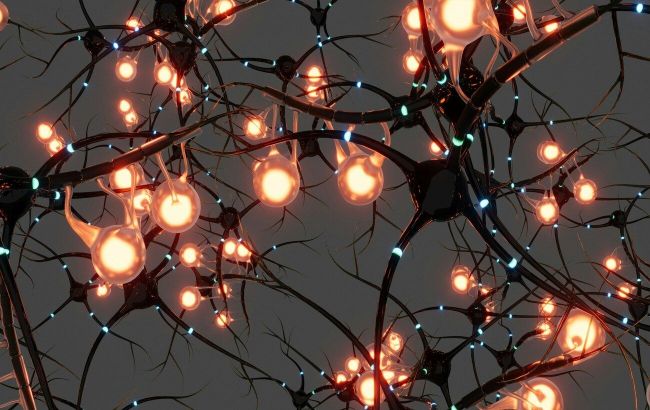 Scientists could significantly reduce animal testing (photo: Unsplash)
US biotech startup Bexorg has demonstrated a unique platform called BrainEx, which can sustain the activity of a human brain just a few hours after the donor’s death. The system is designed to help study the effects of new drugs on real human cells in the fight against severe diseases, according to Science article.
How the technology works
The system is based on specialized BrainEx machines, a concept the company’s founders began developing 10 years ago at Yale University.
Working principle: surgeons connect plastic ports to the blood vessels of the donated organ, through which the system pumps liters of blood substitute and other fluids.
Artificial lungs and kidneys supply the brain with oxygen and filter out waste products. In this state, the organ continues to metabolize experimental drugs for up to 24 hours.
During this time, sensors record hundreds of physiological parameters. After a day, the brain is sliced into hundreds of pieces for detailed analysis of proteins and cellular structure.
The company is currently scaling up production. The new laboratory will include a 1.2-meter-tall robotic arm that will automate the process and allow up to 1,600 brains to be studied per year.
Ethical considerations
Similar experiments began in 2019 using pig brains, which raised public concern about the risk of restoring consciousness or causing pain in animals.
Bexorg representatives and bioethicists from New York University state that the technology does not cross ethical boundaries:
- Donor brains are, by default, deprived of coordinated neural activity required for even minimal consciousness
- Engineers further suppress any electrical activity using the anesthetic propofol
- Organs are provided by official transplant organizations, and donor families are fully informed and approve the research purpose
“Suppressing electrical activity does not interfere with testing, since diseases such as Alzheimer’s, Parkinson’s, or ALS are not directly related to electrical impulses,” researchers explained.
First successful cases
The technology is considered significantly more effective than mouse testing, as donor organs retain unique genetics, disease history, and 60–80 years of environmental exposure.
Pharmaceutical company Biohaven has already used around 130 brains from Bexorg to test its compounds. One Parkinson’s drug failed in mice but worked on a human organ at a dose 20 times lower than initially calculated, saving the company a year of development time.
In addition, the U.S. Food and Drug Administration (FDA) has already allowed Biohaven to begin clinical trials of a new compound, BHV-8100, based on Bexorg data. The drug is designed to improve glucose utilization in neurons.
Prospects
The startup has so far raised $42.5 million in investment. Researchers aim to extend brain viability in the system to two weeks in the future, enabling long-term studies of neurological processes as well as mental and oncological diseases.
The company is also developing a machine learning model called NeuroLens. The virtual brain is trained using donor medical records and tissue analysis data.
In the future, the AI model is expected to simulate drug testing on a computer before any real biological experiments begin.