Russian oil exports through Baltic Sea caught in ice trap – Bloomberg

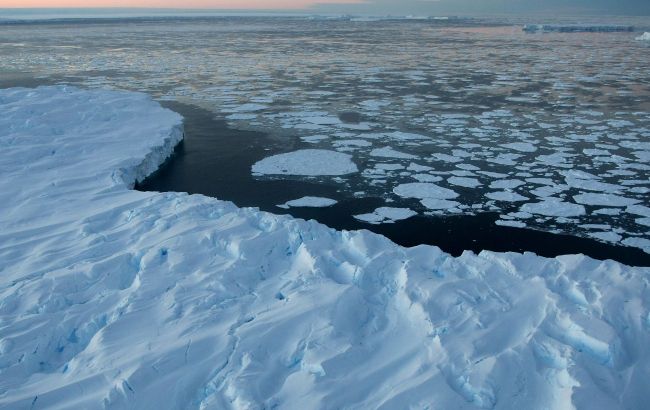 Illustrative photo: ice in the Gulf of Finland hinders Russian oil exports (Getty Images)
Read also: Russia hits record oil exports to China as India reduces purchases
According to the outlet, the record ice cover and an acute shortage of ice-class tankers have led to a significant drop in oil shipment volumes.
Specifically, in the first half of February, oil exports from the port of Primorsk fell by one-third compared to last year, and by 50% compared to the same period in 2024.
The situation is further complicated by a severe shortage of icebreaker fleets in the region. Russian authorities are forced to urgently redeploy the ships Sibir and Murmansk from the Arctic, but their arrival is not expected until the end of the month.
As a result, massive backlogs have formed at points where icebreaker convoys are assembled: ships are forced to wait 5–7 days for an escort.
In addition, a record 140 million barrels of crude oil remain "stuck" on tankers at sea, unable to reach buyers on time, forcing exporters to increase discounts on oil.
Starting March 1, the ports of Primorsk, Vysotsk, and Ust-Luga plan to impose a complete ban on vessels without reinforced ice hulls, regardless of icebreaker escort. Such restrictions will apply if ice thickness increases to 30–50 centimeters.
Oil exports through the Baltic Sea
The Baltic maritime route accounts for about 40% of all Russian seaborne oil exports.
This year’s abnormal winter has caused ice formation not seen since 2010–2011, adding further pressure on Russia’s economy, which is already affected by Western sanctions and energy price caps.
Earlier, Bloomberg reported that Russia could soon sharply reduce its oil production.