Russian oil exports by sea stay steady despite sanctions, Bloomberg reports

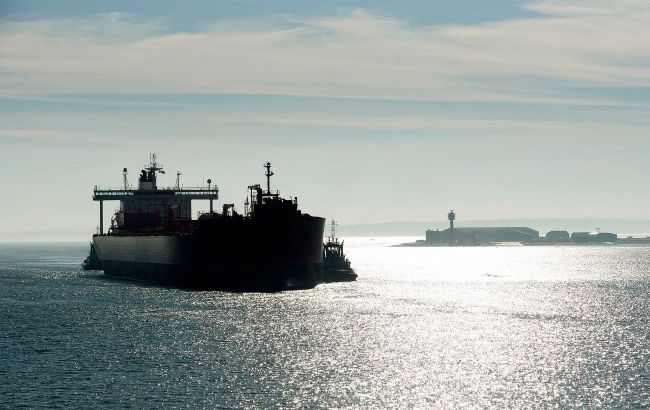 Photo: Russian oil deliveries to China have reached the highest level since 2024 (Getty Images)
Despite sanctions pressure, Russia’s maritime oil exports remain stable as increased shipments to China offset the reduction in deliveries to India, Bloomberg reports.
As of February 1, the four-week average daily export volume reached 3.27 million barrels per day, though the distribution of exports has changed.
Shipments to India fell to their lowest since 2022, down to 1.12 million barrels per day, amid the EU’s ban on Russian oil products and a possible trade deal with the United States.
China started purchasing the oil volumes that became available, with ports handling 1.65 million barrels per day in January—the highest since March 2024.
Russia's revenues are rising
Despite logistical challenges, Russia’s oil export revenues have grown. The gross value of shipments rose 6% to $985 million per week, driven by higher global oil prices amid Middle East tensions.
The EU lowered the price cap for Russian oil from $60 to $44.10 per barrel and is considering a full ban on maritime shipments instead of the cap mechanism.
Meanwhile, the volume of Russian oil at sea continues to rise, exceeding 140 million barrels for the third consecutive week. Increasingly, tankers are masking their final destinations, listing the Suez Canal or Port Said as intermediate points before reaching the Arabian Sea.
Countering Russia’s shadow fleet
The EU’s 20th sanctions package aims to block Russia’s shadow fleet, which allows Moscow to earn revenue from oil exports.
Recently, a group of 14 EU countries warned Russian shadow fleet tankers operating in the Baltic and North Seas. Ships that fail to comply with requirements will be treated as stateless vessels.
Earlier, Ukraine’s Defense Intelligence (HUR) detailed how Russia’s shadow fleet operates and how many tankers it controls. Since December 2022, Russia has reportedly spent over $10 billion acquiring vessels for its shadow fleet.