Russia uses new strike pattern: Air Force speaks about specifics of attack

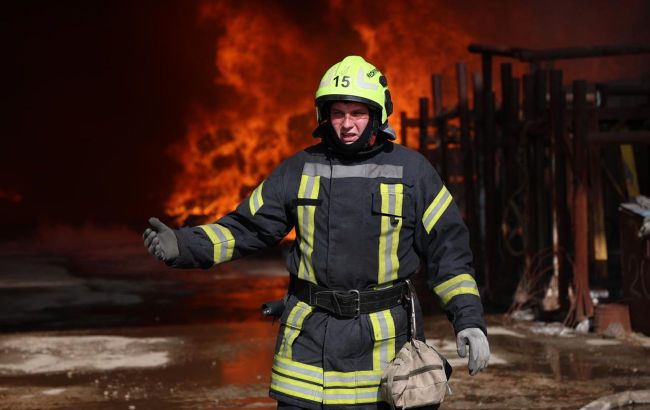 Photo: the Armed Forces of Ukraine explained what the enemy intended during the attack(Facebook.com/DSNSKyiv)
The missile strike on April 16 was unusual. Russia used such a large number of ballistic missiles in a single attack for the first time and changed the timing of the cruise missile strike, states Air Force spokesperson Yurii Ihnat during a national telethon live broadcast.
Two waves within a single day
The attack lasted from 7 a.m. on April 15 to 7 a.m. Kyiv time on April 16. The enemy carried out two consecutive strikes.
"This was, in fact, a 24-hour attack from 7 a.m. yesterday to 7 a.m. today, April 16, during which the enemy used a large number of aerial attack assets," Ihnat explained.
First wave – 20 cruise missiles. 19 out of 20 X-101 air-launched missiles were intercepted, with only one confirmed impact.
Second wave – ballistic missiles. Nineteen Iskander-M missiles or S-400 systems struck four regions: Kyiv, Dnipro, Kharkiv region, and Odesa region. Five impacts were recorded in the capital. There are killed and wounded.
Overall, over the course of the day, radar units detected 703 aerial targets, including missiles and drones.
What was intercepted
Cruise missiles are being intercepted effectively, according to the Air Force spokesperson.
"Cruise missiles are, at a minimum, being shot down; sometimes the success rate even reaches 100% thanks primarily to the work of our tactical aviation and F-16 aircraft," Ihnat noted.
Ballistic missiles are more difficult to intercept. Out of 19 missiles, only 8 were shot down — less than half.
"Ballistic missiles remain our 'Achilles’ heel' today," the spokesperson added.
To improve interception capabilities, additional air defense systems and missiles are needed. According to Ihnat, the issue of PAC-3 missiles for Patriot systems is currently a top priority for state leadership.
Why this strike was different
Russia typically carries out combined strikes at dawn: cruise missiles launched from different directions, Kalibr missiles, and ballistic missiles almost simultaneously.
This time, however, the pattern changed. "The enemy changed the timing of cruise missile use, and yesterday evening we saw an attack specifically with cruise missiles," Ihnat said. According to him, it was not the method of attack that changed, but the timing.
The strike was preceded by reconnaissance-in-force. On the night of April 15, Russia launched more than 300 drones over Ukrainian territory. Prior to that, on April 12, there had been no Shahed drones or missile activity over Ukraine.
During the April 16 attack, Russian missiles hit residential buildings, hotels, and a playground, resulting in killed and injured civilians.
According to RBC-Ukraine, air defense systems engaged more than 700 targets over the course of the day — one of the largest attacks in recent times.