Russia unveils modernized Iskander missile, details revealed

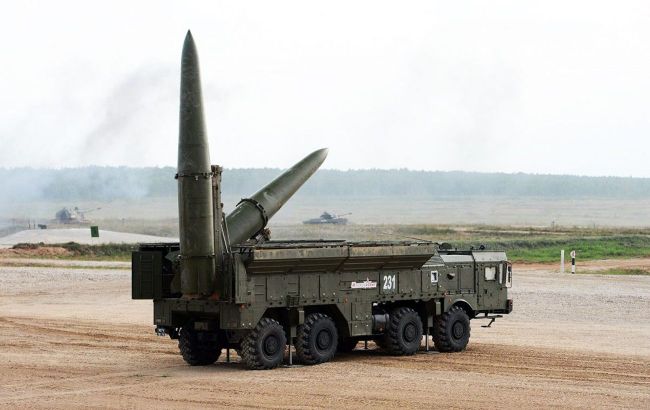 Iskander missile (Photo: armyinform.com.ua)
Russia has reported the first launch of a modernized Iskander-M missile with a range of up to 800 kilometers. However, Ukrainian military sources suggest that other types of ballistic weapons might have been used under this name, according to a post by the 413th Regiment of the Raid Unmanned Systems Forces on X.
Possible modernization or use of North Korean missiles
One version suggests it could indeed be an upgraded Iskander-M, posing a greater threat.
An alternative explanation is that Russia is attempting to make maximum use of the KN-23 ballistic missiles of North Korean origin.
The regiment reminded that Russian propaganda began mentioning the Iskander-1000 system as early as July 2024, and comparisons of published images indicated differences from the standard Iskander-M missiles.
In November 2025, Ukrainian specialized media reported on documents related to Russia’s missile program, which included the purchase of 18 9M723-2 ballistic missiles at about $2.5 million each.
The unit noted that it could be assumed that these were the same missiles now referred to as Iskander-1000, which the Russians might now deploy in limited use.
North Korean missile factor
The military also noted that KN-23 missiles are referred to as North Korean, even though they are produced using Russian technology and materials.
According to their data, during 2023 tests, these missiles reached a range of 900 kilometers, allowing for their use at maximum distances.
Conclusions and risks
The 413th Regiment of the Unmanned Systems Forces emphasized that Russia has been systematically working to extend the range of its tactical missiles to 1,000 kilometers and therefore called for close attention to missile alert signals.
The Russian regime uses tankers from the so-called shadow fleet not only to circumvent international sanctions but also for intelligence purposes, employing them in espionage operations against European countries.
Additionally, the Central Bank of Russia announced possible legal proceedings and confiscations concerning frozen Russian assets in the EU if they are used to support Ukraine, presenting this stance as a new threat to European nations.