Russia unable to maintain Arctic ports, intelligence says

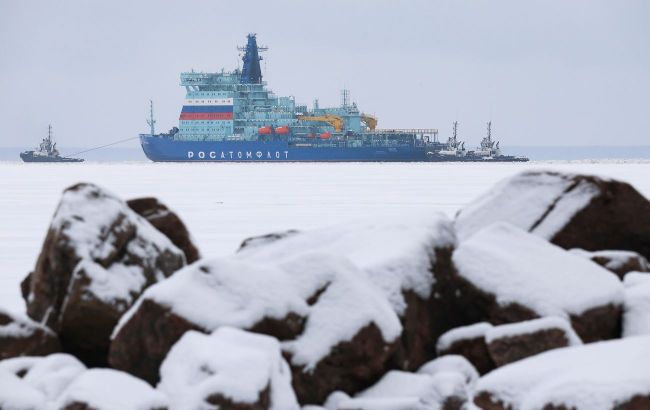 Russian port infrastructure in Arctic is in poor condition (photo: Getty Images)
Russia has proven unable to ensure proper maintenance of its Arctic strategic ports. Due to systemic economic problems and a shortage of specialized equipment, the aggressor's Northern Sea Route is in critical condition, according to the Foreign Intelligence Service of Ukraine.
Technological collapse and sanctions
According to Ukrainian intelligence, ports in Russia's Arctic zone are suffering from a shortage of components needed for dredging operations and pier repairs. Most of the equipment was of foreign origin, and access to it is currently blocked due to international sanctions.
The Kremlin has been forced to acknowledge its inability to implement its Arctic development plans. Port infrastructure is deteriorating, and the outdated icebreaker fleet is unable to cope with the workload.
Failure of the Northern Sea route
Problems with port maintenance are directly undermining Russia's logistics plans. Moscow had hoped to turn the route into an alternative to the Suez Canal, but it is now unable to guarantee the safety of its own cargoes. In addition to technical factors, the situation is affected by an outflow of skilled personnel and the redirection of budget funds to the war against Ukraine.
Dependence on China and technological helplessness
Intelligence services pay special attention to Moscow's attempts to involve China in rescuing its Arctic projects. However, Beijing is in no hurry to invest in deteriorating infrastructure, fearing secondary sanctions and low profitability.
Denmark had previously warned of rising military tensions in the Arctic region. Danish intelligence reports noted that Russia continues to militarize the North, restoring old Soviet bases and deploying new weapons systems.
Russia continues to look for ways to circumvent international sanctions to export Arctic energy resources. Despite Western pressure, the aggressor uses a shadow fleet of tankers to transport liquefied gas and oil from northern fields.
At the same time, experts note that Russia's logistics costs are steadily increasing due to the need to involve intermediaries and the lack of access to modern Western technologies for icebreaker construction and vessel maintenance.