Russia sends Iran explosives and drone parts via Caspian Sea, report says

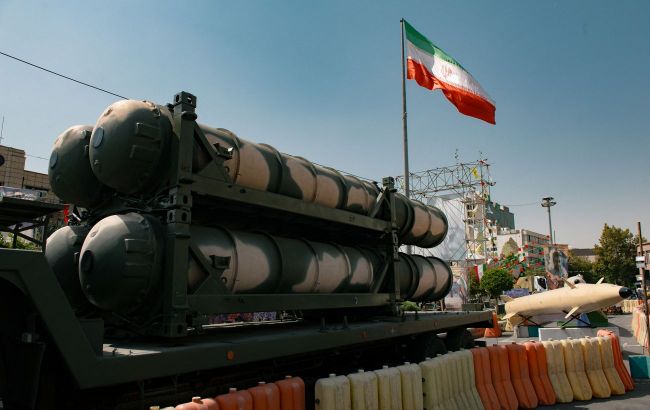 Photo: Iran's ballistic missiles (Getty Images)
Russia is supplying Iran with explosives, drone components and ammunition via the Caspian Sea as Tehran works to rebuild its military arsenal, according to NBC News.
According to a European government document confirmed by a Western official, Russia is shipping trinitrotoluene (TNT), ammunition and drone parts by sea.
Iran needs these materials to rebuild military capabilities destroyed during its fighting with the United States and Israel.
Why the Caspian route was chosen
The Caspian Sea has become a key route because Western forces have no practical or legal means of blocking it. The route has several advantages:
- The Caspian Sea falls under the jurisdiction of only five countries: Russia, Iran, Kazakhstan, Turkmenistan and Azerbaijan.
- US and allied warships have no legal access to the sea.
- Cargo ships can freely turn off their automatic identification system (AIS) transponders.
- The route completely avoids narrow sea passages controlled by Washington.
Russia's strategic interest
The Kremlin's motives go beyond loyalty to an ally. Every Iranian drone that strikes US targets in the Persian Gulf diverts American attention and military resources away from the war in Ukraine.
In addition, rebuilding Iran's military stockpiles allows Tehran to continue supplying weapons to Hezbollah in Lebanon, as well as pro-Iranian groups in Iraq and Syria. Increased pressure on the United States in the Middle East traditionally reduces the amount of support Washington can provide to Kyiv.
Neither Moscow nor Tehran has officially commented on the reported shipments. US officials have declined to publicly assess how effectively the supplies are making up for Iran's losses.
Western intelligence agencies say a full assessment of the damage to Iran's military infrastructure is still underway.
Attempt to stop the shipments
In March 2026, Israel tried to disrupt the supply chain. Israeli aircraft struck the Iranian port complex at Bandar-e Anzali on Iran's northern coast, destroying ships and port infrastructure.
However, intelligence indicates that military shipments between Russian and Iranian ports have since resumed and are continuing.
RBC-Ukraine also reported that Russia is trying to scale up technology for intercepting Ukrainian bomber drones, using developments made by the Ukrainian Armed Forces.