Russia scrambling for money for war. Confiscated assets being used – Bloomberg

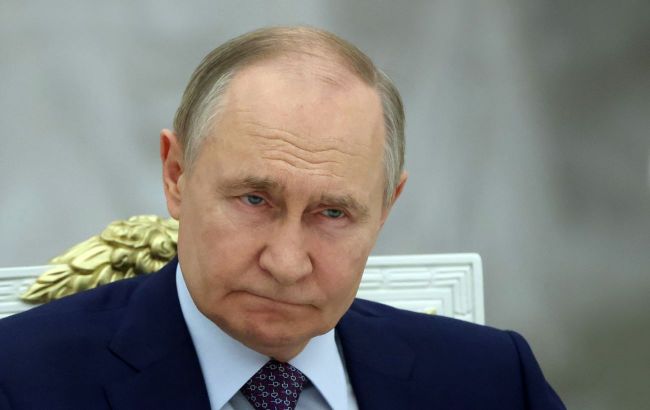 Photo: Russian President Vladimir Putin (Getty Images)
Russia has seized record assets worth trillions of rubles, but cannot sell them to replenish its war budget, Bloomberg reports.
A vivid example is the auction to sell Moscow’s Domodedovo Airport near Moscow. Russia had planned to raise at least 132 billion rubles, but not a single qualified bid was received.
This highlights that even strategically important assets confiscated by the Kremlin fail to inspire confidence among potential buyers due to high debts and economic instability.
The next attempt to sell the airport is scheduled for January 29 in a Dutch auction format, where the starting price could drop by half. However, analysts doubt that this will significantly increase interest in the lot.
Domodedovo Airport was nationalized last year after authorities accused the previous owner of breaking the law because of foreign citizenship and residence. It is one of Russia’s strategically important facilities, which, before the war, served millions of passengers and attracted foreign airlines.
Moreover, Russia cannot simply transfer assets to anyone. Buyers must be loyal and capable of efficiently managing the companies. At the same time, potential investors fear future claims on their property.
Asset confiscation in Russia
Thus, even large-scale confiscations do not guarantee the Kremlin additional funds. In 2025, Russia seized a record 3.12 trillion rubles’ worth of assets — four times more than the previous year. However, high corporate debt, declining profitability in the civilian sectors, and the economic crisis are deterring potential buyers.
Asset confiscations in Russia have increased against the backdrop of the war in Ukraine and the economic crisis. Falling revenues from the energy sector and rising military spending are further exacerbating the budget deficit.
Experts believe that Russia will continue its nationalization policies, as the war creates a favorable environment for redistributing assets. Yet, successfully selling large-scale assets remains a challenge for the Kremlin.
In January, budget revenues from oil and gas in Russia nearly halved due to the drop in the ruble-denominated oil price and the strengthening of the ruble.
Moreover, the Russian economy ended 2025 with catastrophic results: oil prices fell to a five-year low, and the space industry returned to levels last seen in 1961.
Recently, US President Donald Trump approved a bipartisan bill that significantly expands the mechanisms of sanctions against Russia.