Russia’s shadow tankers spark fears of massive environmental spill disaster

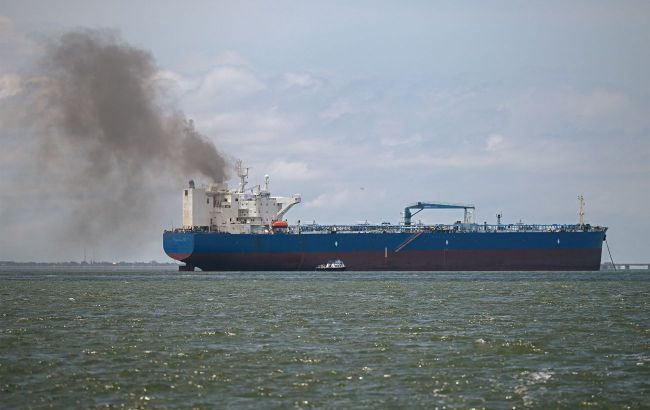 Photo: oil tanker (Getty Images)
More than half of the shadow fleet tankers are in critical condition and threaten a large-scale environmental disaster. This warning came from the head of the world's largest ship recycling company, reports the Financial Times.
What is the danger
Anil Sharma, CEO of GMS Partnership, told the FT: the luck is running out – sooner or later a major oil spill will occur, comparable to the 1979 disaster, when a collision between two tankers led to a spill of more than 2 million barrels of oil.
According to him, at least a third of the shadow tankers need to be scrapped immediately, and more than half are realistically at risk.
Condition of the fleet
According to estimates from broker Clarksons, the shadow fleet numbers about 1,800 vessels, of which approximately 1,500 are oil tankers. Most of them are over 20 years old – at this age, cargo vessels are usually sent for scrap metal. After this point, outdated systems and corrosion from years at sea jeopardize their seaworthiness.
The owners of sanctioned vessels are now deliberately extending their service life due to the spike in oil prices and the profitability of trade amid the crisis in the Persian Gulf.
Alexander Saverys, head of one of the largest shipping companies, CMB Tech, said that the vessels were uninsured, poorly maintained, and had unqualified crews on board. He added that it was an accident waiting to happen and that it was actually surprising that nothing serious had happened yet.
The closure of the Strait of Hormuz has further slowed ship recycling: Gulf countries are using all available tankers to store oil. Several vessels that were already supposed to be scrapped are now stuck inside the Gulf.
The problem of the shadow fleet is gaining momentum. Russia is expanding its shadow fleet for liquefied gas exports – four tankers that previously served an Omani plant are already taking part in deliveries from the sanctioned Arctic LNG 2 project. Meanwhile, companies are adapting to sanctions pressure faster than new restrictions are imposed, with vessels changing flags, owners, and management schemes.