Ukrainian drone attacks leave Russia facing a new shortage

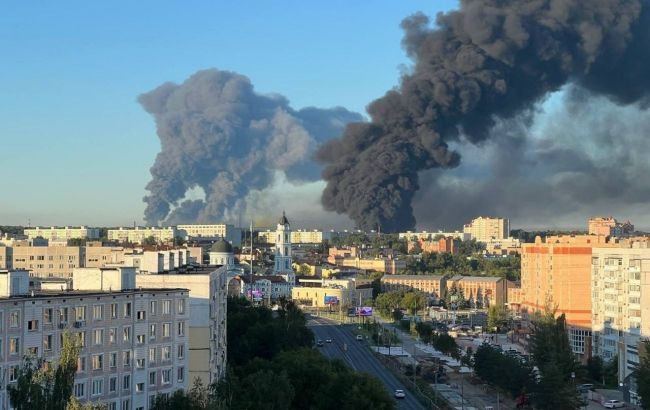 Photo: Aftermath of strikes on Russian facilities (Getty Images)
Ukrainian drone strikes on Russian oil refineries have triggered a new crisis in Russia. In addition to fuel shortages, the country is now facing shortages and rapidly rising prices for automotive lubricants, according to Kommersant.
Participants in Russia’s lubricants market are reporting regular supply disruptions and shortages across product lines. The problems are linked to unscheduled refinery repairs following drone strikes, as well as shortages of imported additives needed for production.
Russia is also facing shortages of certain raw materials, including those used to manufacture coolants.
According to Vladimir Andreyev, head of the service division at automotive marketplace Fresh, the situation is rapidly deteriorating. Prices have risen 1.5 to 2 times over the past two months alone, while delivery times have increased from two days to two weeks.
Some of the most popular products have disappeared from the market entirely, forcing auto service centers to buy remaining stocks from intermediaries.
“Some of the most in-demand oils are simply unavailable — we buy whatever manufacturers managed to ship earlier from intermediaries,” Andreyev said.
Tatiana Ovchinnikova, director of the Fit Service network of auto repair shops, said automotive lubricants have already increased in price by 15–20% since the beginning of the year. She added that prices for some products could rise by another 40%.
The situation is further complicated by fuel shortages. Due to a lack of higher-quality gasoline, some Russian regions have begun using lower-grade fuel, which requires motorists to change engine oil more frequently. This is driving up demand and deepening the shortage.
Russia has also recently faced another worsening fuel shortage, with authorities in at least 10 regions tightening controls over gasoline sales at gas stations.
Over the past several months, Ukrainian drone strikes have disrupted up to 40% of Russia’s oil-refining capacity. Against this backdrop, roughly one-third of Russians have already faced fuel shortages.