Up to 40% of Russia's oil refining capacity disrupted by Ukrainian drones: Fuel crisis spreads

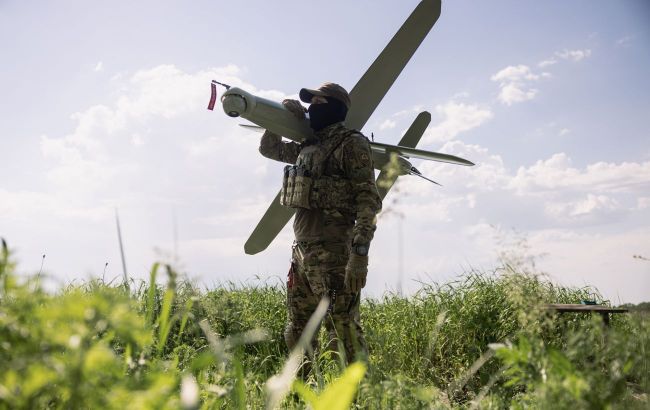 Photo: Ukrainian drone strikes have knocked out up to 40% of Russia's oil refining capacity (Getty Images)
According to analysts, Russia processed an average of 4.1 million barrels of oil per day in June. That was 28% below the five-year average and 35% below the country's nominal refining capacity.
Ukraine significantly intensified its strikes on Russia's oil infrastructure in May. Since then, ten of the country's largest oil refineries have come under attack, including the Omsk Oil Refinery. Located about 2,500 kilometers (1,550 miles) from the front line, the facility accounts for roughly 7% of Russia's refining capacity.
Widespread fuel shortage
The fuel crisis has already affected around 50 million Russians, or about 35% of the country's population. As of July 8, local authorities or fuel retailers had imposed restrictions on fuel sales across most Russian regions.
Nearly 50 regions introduced fuel rationing measures before the end of June, while long lines formed at gas stations nationwide. In occupied Crimea, a state of emergency remains in effect, and gasoline is being sold only through electronic vouchers.
Earlier reports indicated that gasoline had completely disappeared from retail sale in six Russian regions, while in many others motorists could refuel only in regional capitals.
At the same time, Russian President Vladimir Putin acknowledged problems with fuel supplies but insisted that the situation was "not critical."
Russia has also begun redirecting gasoline from Belarus that was originally intended for Central Asian markets. However, even record-high import volumes have failed to fully eliminate the shortage.
Previously, RBC-Ukraine reported that Kazakhstan had introduced new border-crossing restrictions, limiting passenger vehicles to one crossing per day in an effort to curb large-scale fuel exports from the country.