Russia's drone threat could soar to 80% jet-powered, Ukraine warns

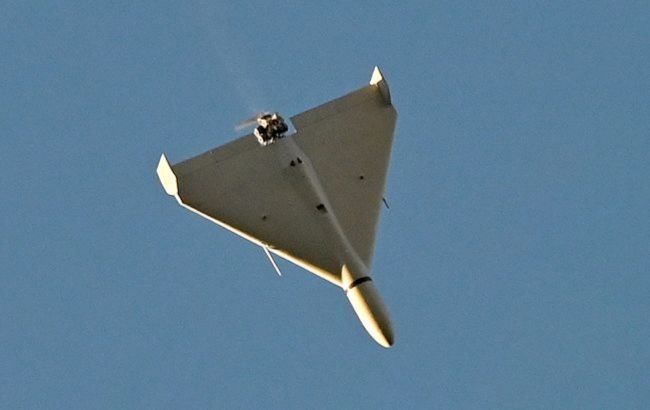 Russian Shahed drone (photo: Getty Images)
Russia is gradually increasing its use of jet-powered drones in attacks on Ukraine. They currently account for about 40% of all drones Russia uses to strike the country, but their share could rise to 80% in the future, according to Air Force Deputy Commander Yurii Cherevashenko.
He said Russia began using jet-powered drones more actively in July. In some areas, they already account for up to 60% of all attacks.
"Since July, the number of jet-powered drones being used has increased. They now account for 40% of all drones used over Ukrainian territory. In some areas, they make up as much as 60% of attacks. And that share continues to grow. We predict that about 80% of attacks will involve jet-powered drones," Cherevashenko noted.
Russian drones could become faster
Russian jet-powered drones currently reach speeds of around 600 km/h. At the same time, the Air Force expects that this figure could rise to 800-900 km/h in the future.
"There haven't been any like that yet, but that is our forecast," Cherevashenko said.
Higher speeds will make it more difficult for interception systems to engage the drones. According to the Air Force representative, destroying such targets will require pilots with the appropriate skills.
Therefore, manufacturers have been tasked with developing simulators to help train crews operating interceptor drones.
Ukraine tests interceptor drones
At the same time, Ukraine is developing its own systems to counter jet-powered drones. Yurii Cherevashenko says the Air Force is working with nearly 20 manufacturers of such interceptors.
The projects are at different stages of development. Experimental areas have been set up for testing, and interceptor drones are already being used there in combat conditions.
Currently, 14 companies have completed products and have begun test flights. Another six manufacturers have already received results from tests involving the destruction of jet-powered drones.
Three of these companies have produced results that the Air Force considers promising. Active work with these manufacturers is continuing.
At the same time, there is no immediate prospect of moving to mass manufacture. Production capacities and the high cost of such drones remain among the main challenges.
"Any company that is operating now is not engaged in mass production, because these drones are quite expensive, and companies do not always have the financial resources to invest in and produce large numbers of drones that have not yet demonstrated good results," the Air Force representative explained.
As previously reported, Russia continues to modernize its attack drones, seeking to make them faster, more maneuverable and more resistant to Ukrainian countermeasures.
One such development is a new modification of the long-range Geran-4 drone. Russia has upgraded its navigation system, engine, and warhead, which could make these drones more effective in combat.