Russia's Bryansk left in dark and cold after energy facility strike

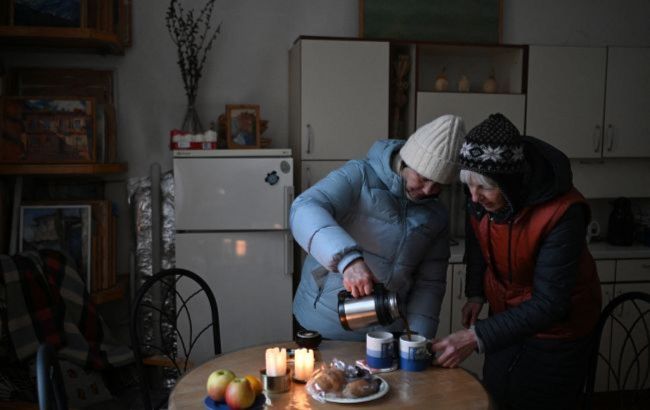 Backup power systems are currently being activated (photo: Getty Images)
On February 15, Russia's Bryansk region came under a massive attack by unidentified drones. The strikes left parts of the regional capital without electricity and heating.
Read also: Moscow under massive drone attack: What we know so far
Governor Aleksandr Bogomaz said that as of 7:00 PM, the attack on the region had been ongoing for 12 hours. According to him, Russian air defense forces reportedly shot down 170 drones by that time.
An hour later, Bogomaz reported power and heating problems in the region.
"As a result of strikes on Bryansk's energy infrastructure… five municipalities and parts of the city of Bryansk are without heat and electricity," the governor wrote on social media.
He added that all emergency crews are on site, working to restore services and connect backup power. Efforts are also underway to reconnect heating and electricity facilities.
In addition, on the evening of February 15, local channels in Belgorod reported further electricity outages in the city and the surrounding region. Residents complained that the power voltage had dropped significantly. Later, around 9:20 PM, several social media claimed that Belgorod thermal power plant had been hit by another missile strike.
Situation in Russia's Belgorod
Over the past month, Belgorod has repeatedly come under attacks by unidentified drones and missiles, causing frequent outages of electricity, heating, and water across the city and surrounding region.
On February 8, after a new round of strikes, regional governor Vyacheslav Gladkov announced that residents would have their heat restored by midday. However, the situation quickly proved more serious.
Within hours, Gladkov reported that hundreds of homes would remain without heat, adding that repairs had failed to deliver the expected results, forcing municipal workers to drain water systems.
By February 14, Gladkov confirmed that Belgorod would remain without heating and hot water at least until the end of the heating season in April due to the repeated attacks on the city's energy infrastructure.