Russia pressures men to avoid announcing new mobilization, The Guardian reports

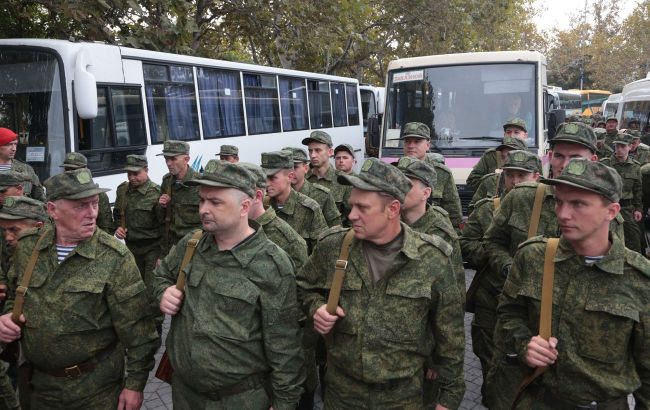 Photo: Mobilization measures are being considered in Russia (Getty Images)
Russia is facing an increasingly acute shortage of soldiers amid monthly losses of more than 30,000 people. The Kremlin is trying to avoid a new wave of mobilization by pressuring men to sign military contracts, according to The Guardian.
Why the Kremlin fears another mobilization
The last time Putin announced mobilization was in September 2022, when a series of defeats on the battlefield forced the Kremlin to urgently mobilize 300,000 reservists. Since then, Moscow has sought to avoid another unpopular draft, relying on well-paid military contracts. During this period, the army recruited approximately 1.3 million contract soldiers, mostly from poorer regions, who were offered large signing bonuses and salaries for several years ahead, while families of those killed received substantial payments.
The problem is that Russia's losses remain extremely high - according to Western estimates, more than 30,000 killed and wounded each month. This is the result of "meat grinder" tactics, in which small assault groups are sent forward despite massive losses.
The Kremlin officially denies it
Sources familiar with discussions in Moscow and Western officials also say there are currently no signs of a decision to launch mobilization. Nevertheless, rumors are still being actively discussed in Telegram chats among sports teams, coworkers and friends, with Russians sharing advice on how to obtain a deferment or avoid being drafted. Some speculate that a new recruitment drive could begin after the September elections to the State Duma.
According to a spokesperson for Get Lost, an organization that helps Russian soldiers desert, it is still unclear whether mobilization will actually take place. However, the panic surrounding the issue is already being actively used to pressure men into signing contracts "now and get a payout before you’re forced to fight."
"Human hunting"
Lawyers and activists documented increasingly aggressive recruitment methods in several regions this summer - men are being detained right on the streets, taken from their workplaces or summoned to police stations, from where they are transported to military enlistment offices and pressured to sign contracts.
In the Penza region, where some of the most aggressive methods have been documented, videos appeared online showing men being taken away in vans while relatives protested outside military enlistment offices. According to activists, some men were threatened with criminal prosecution or even beaten until they agreed to sign a contract.
The search for recruits is expanding - universities, colleges and technical schools are being encouraged to recruit students into newly established drone units. Putin has also signed a law expanding the pool of convicts allowed to sign contracts with the military, including those serving sentences for serious and particularly serious crimes.
Regions compete for recruitment targets
The Kremlin has shifted much of the responsibility for finding soldiers to the regions - governors and local authorities are given recruitment targets, keeping the central government at arm's length from direct responsibility.
A lucrative "recruitment business" has grown around this. Regions pay thousands of dollars not only to contract soldiers themselves but also to those who "find" them - under schemes such as "bring a friend," residents are paid for every person they persuade to sign a contract.
According to the independent outlet IStories, regions have already paid recruiters at least 7.7 billion rubles ($96 million) under such schemes.
One recruiter in central Russia, who spoke to The Guardian anonymously, said his organization has to find 20-30 men every month, receiving a bonus for exceeding the target and a penalty for falling short. "It was easier last year. Now it is getting harder," he admitted, adding that mobilization is also being discussed at his office, although there have been no orders or signs of an imminent draft so far.
Ukrainian President Volodymyr Zelenskyy has also directly spoken about possible new mobilization in Russia. On August 11, he revealed Putin's plan for "rapid" mobilization - according to Zelenskyy, the dictator plans to announce it after the parliamentary elections and recruit several hundred thousand Russians into the military this year alone.
The president had previously warned that large-scale mobilization in Russia could pose a direct challenge to Europe - Putin needs to demonstrate successes, and he could seek new quick victories beyond Ukraine.
Ukrainian officials have also previously reported that the Kremlin is systematically preparing for new mobilization measures, in particular to replenish the Russian army's losses.