Russia may face mass postwar repressions - Reuters

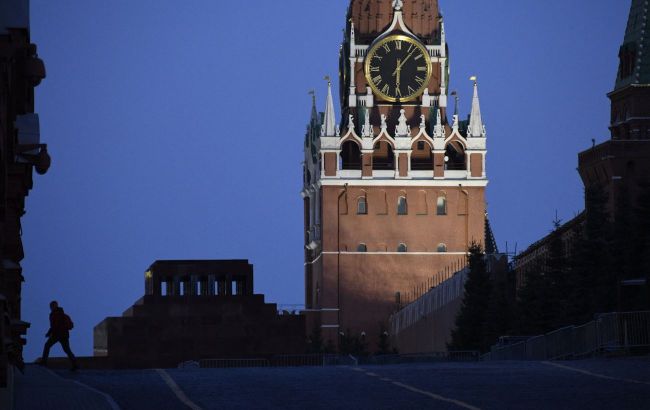 Kremlin (Photo: Getty Images)
The Kremlin is tightening control over society and the internet space, preparing for possible protests after the end of the war against Ukraine, reports Reuters.
Tightening control over the internet
Russia is seeing further restrictions in the digital space.
The authorities are increasing pressure on users and services, accompanied by the blocking of popular platforms and mobile internet disruptions in major cities.
"Office workers toiling with blocked internet. Teenagers continually forced to switch VPNs. Taxi drivers struggling to find their way around Moscow without online navigation," Reuters notes.
Official explanations for the restrictions
In the Kremlin, such measures are explained by Western IT companies' refusal to cooperate with Russian agencies.
It is also claimed that communication disruptions supposedly hinder Ukrainian drones from striking targets in the rear.
Expansion of law enforcement powers
At the same time, new laws are being adopted that strengthen the influence of the security services.
In particular, mobile operators are required to disconnect subscribers at the request of the FSB, and the agency itself gains the right to form its own network of pretrial detention centers.
Preparation for possible protests
According to diplomats, such steps are part of a broader strategy to maintain control over the population amid the protracted war.
Sources indicate that the Kremlin fears a decline in support for the authorities and is preparing for possible surges of discontent.
One interlocutor noted that resources have already been put in place to begin large-scale repression on the internet.
Lessons from the past and external examples
"Russia's leaders and security services remember 1991 and they remember what happened to Russia and what happened to them when Moscow stopped a big war in Afghanistan: the country collapsed, the security services were split apart - it was a disaster," said Russian investigative journalist and security services expert Andrei Soldatov.
In his view, the authorities seek to avoid a similar scenario both if the war ends and if it drags on.
Also, according to sources, Russia is studying and implementing control practices used in China and Iran.
The Russian side has made a proposal to the US regarding mutual restrictions in the field of intelligence. Moscow stated its readiness to cease transferring intelligence data to Iran, provided that Washington, in turn, stops similar cooperation with Ukraine.
Hungarian human rights organizations have appealed to the OSCE with a demand to review the composition of the election observation mission in the country. The reason was the inclusion in the delegation of Russian national Darya Boyarskaya, who is under sanctions and, according to them, has ties to the Kremlin.