Russia expects gas production to fall as forecasts shift

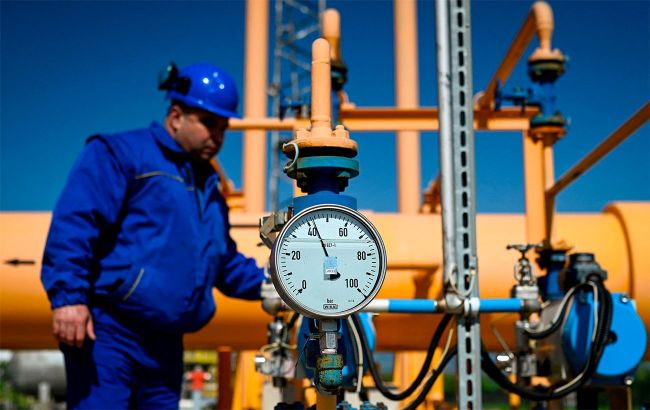 Illustrative photo: gas (GettyImages)
Russia has revised downward its natural gas production and export forecasts for 2026. The adjustment is linked to the reduction in energy ties with the West and the EU's plans to phase out Russian supplies, according to Reuters.
Production forecast revised
The Russian Ministry of Economy expects the country to produce 683.1 billion cubic meters of natural gas in 2026. This is 5.3 billion cubic meters less than the figure projected in the May forecast.
However, the new figure remains higher than last year's result. In 2025, Russia produced 662.7 billion cubic meters of gas. The updated figures are planned to be used when adjusting the federal budget through 2029.
What's happening with exports
Separately, Moscow has revised its expectations regarding liquefied natural gas (LNG) shipments. According to the draft document, LNG exports in 2026 could reach 35 million metric tons, compared to 30.3 million metric tons the previous year.
However, the new forecast is 5.3 million metric tons lower than the previous estimate. Going forward, Russian LNG exports are expected to continue increasing, but the growth rate will be lower than previously anticipated.
Europe cutting back on purchases
The forecast revisions come amid a further deterioration in Russia's economic and political relations with Western countries. The EU plans to completely phase out purchases of Russian gas starting in 2027.
According to Reuters calculations, Russian gas supplies to Europe fell by 44% last year, totaling about 18 billion cubic meters. This is the lowest figure since the mid-1970s, following the suspension of transit through Ukraine.
By comparison, in 2018–2019, Russian pipeline gas exports to Europe reached approximately 180 billion cubic meters per year.
At the same time, Moscow stated its readiness to resume supplies to Europe, including via the remaining branch of the Nord Stream pipeline.
Despite their stated policy of phasing out Russian gas, EU countries continue to purchase it in significant volumes for now. At the same time, Ukraine potentially has the capability to strike infrastructure related to Russian gas exports.