Russia escalates pressure on indigenous people

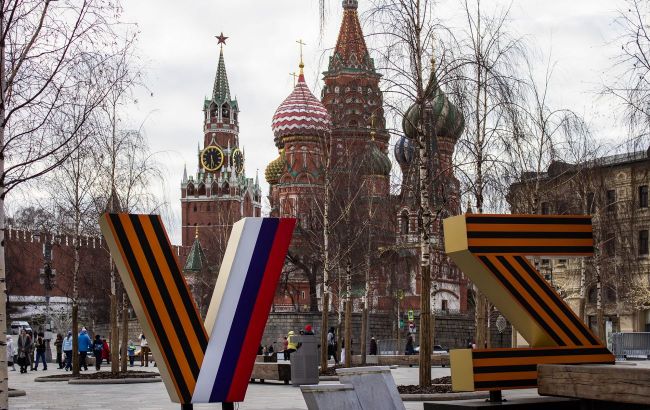 Photo: Kremlin intensifies propaganda and repression (Getty Images)
Russia has stepped up pressure on its indigenous peoples, combining the arrests of activists, information control, and disproportionate mobilization for the war against Ukraine. This poses a real threat to the physical and cultural survival of small ethnic groups, according to the Ukrainian Foreign Intelligence Service.
In December 2025, Russian security forces detained at least 17 representatives of indigenous peoples from Altai, Sakha (Yakutia), Tomsk, Murmansk, Kemerovo regions, and Krasnoyarsk Krai.
These were activists who for years had defended their communities’ rights and raised concerns about environmental degradation and the decline of traditional industries.
They had previously spoken at UN forums, warning that their peoples were on the verge of extinction.
These reports sharply contradict Moscow’s official position that Russia is a "multiethnic state where the languages, cultures, and traditions of over 190 peoples are preserved."
To create a controlled image internationally, the Kremlin has turned the Association of Indigenous Minorities of the North, Siberia, and the Far East of Russia into a fully loyal organization. Its representatives promote only positions approved by the authorities, while openly supporting the war against Ukraine.
At the same time, 172 human rights organizations within the Forum of Free States of the Post-Soviet Space report systemic violations of indigenous peoples’ rights. This movement has been labeled as terrorist and banned in Russia.
Physical destruction of small ethnic groups is also ongoing due to the war. In Khabarovsk Krai, during mobilization, 34 ethnic Russians and 95 members of indigenous groups were drafted for every 10,000 residents, indicating their deliberate use as cannon fodder.
"Under the slogans of multiethnicity, the Kremlin is effectively depriving indigenous peoples of the right to exist, both culturally and physically," human rights defenders say.
Russia tightens control
Russian authorities are sharply increasing digital control over the population, expanding surveillance and internet censorship mechanisms.
From January 1, 2026, all Russian online services are required to store users’ correspondence for three years, giving security agencies far greater opportunities to exert pressure, pursue individuals, and block unwanted content.
Amid these changes, Russia has already become a global leader in internet restrictions. In 2025, the total duration of internet blackouts in the country reached 37,166 hours, with estimated economic losses of $11.9 billion, according to monitoring services.
At the same time, authorities are preparing a new tool of informational pressure — mandatory propaganda advertising on social media and major platforms. The Federation Council has proposed legislation requiring bloggers and popular channel owners to dedicate at least 5% of all advertising content to themes of traditional values, patriotism, and culture.
These new requirements will apply not only to media platforms but also to owners of large public accounts and communities, effectively turning them into components of the state propaganda machine.
Earlier reports also revealed that in occupied Crimea, authorities plan to make mobile internet shutdowns and slowdowns a permanent practice under the guise of security. In reality, these measures aim to further tighten control over the population and restrict access to independent information.