Russia deploys improvised Cultivator MLRS to front - What is known

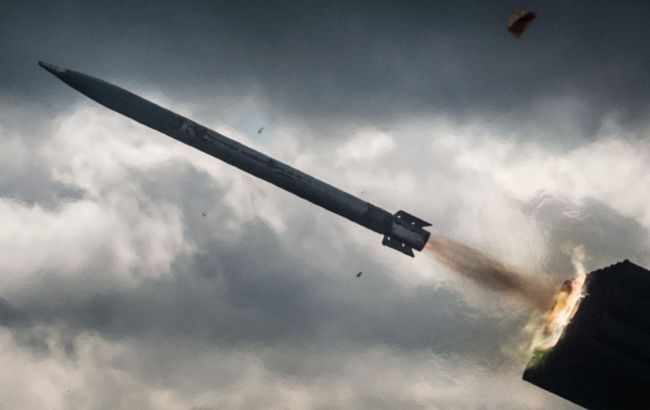 Photo: MLRS (Getty Images)
The use of a new improvised multiple launch rocket system built on a ground robotic platform has been recorded on the battlefield. The development combines a mobile platform with aviation rocket pods, according to Defense Express.
What is known about Cultivator system
Russian forces have begun using an improvised MLRS known as Cultivator. According to Russian media, the system is built on a tracked robotic ground platform.
The outlet cited by Defense Express said the system is reportedly used by Russia’s Burevestnik unmanned systems regiment.
In practice, the system combines a ground robotic platform with UB-16-57 aviation rocket pods designed to fire unguided S-5 rockets.
"Each pod has launchers for 16 unguided S-5 rockets, meaning a total salvo of 32 rockets. According to Russian claims, the effective firing range is about 2 km, with a maximum range of roughly 4 km," the report said.
Vulnerability and camouflage
The system’s short range makes it highly dependent on frontline conditions and increases the risk of being targeted by drones, although it also allows the platform to move closer to the line of contact.
Reports indicate that Russian forces install camouflage nets and protective structures on robotic platforms to counter FPV drones, and similar measures may be used on the Cultivator.
Other Russian developments
Similar improvised MLRS solutions have been observed previously, including projects using UB-32 rocket pods and the Vasilek automatic mortar.
Russia has also presented the BTR-22 armored personnel carrier equipped with the Balista combat module and an automated fire-control system.
Earlier investigations indicated that Geran-2 drones contain a significant share of foreign components, including parts produced in the United States, China, and European countries.
Separately, during negotiations between Kyiv and Moscow, the idea of creating a demilitarized zone in Donbas was discussed as a potential mechanism to reduce tensions and military presence in the region.
During the trilateral meeting between Ukraine, the United States, and Russia in Geneva, the sides made progress in discussing parameters of a possible ceasefire, including approaches to halting hostilities and stabilizing the situation.