Russia could face weapons shortage: Analysts identify weak spot for sanctions

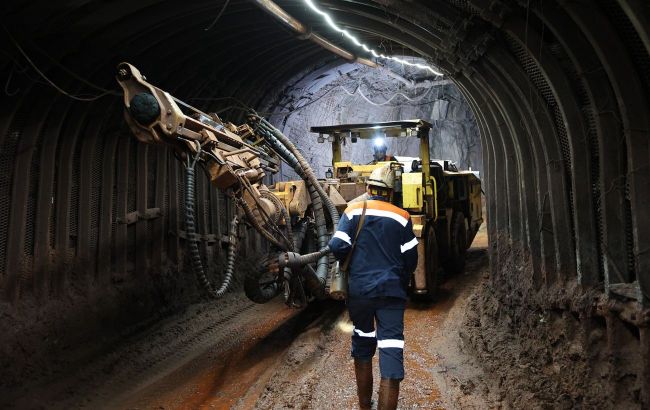 Illustrative photo: Russia receives minerals for weapons production from other countries (Getty Images)
What minerals does Russia need?
According to the report, over the course of a year, Russia imported several strategic minerals for military purposes — including alumina, tantalum, and molybdenum — worth more than $1.1 billion.
Other materials important to the defense industry include beryllium, tungsten, manganese, niobium, rhenium, and titanium.
These materials enter the supply chains of dozens of Russian companies that manufacture missile systems, aircraft, armored vehicles, ammunition, electronics, and engines.
Where the supplies come from
Most imports came from China, Central Asia, and a number of countries in the so-called Global South. At the same time, some supplies were shipped from or transited through Western countries.
The study covered the 12 months through March 2025.
It identified hundreds of companies involved in supplying key minerals, many of which continue to supply military-industrial enterprises. Meanwhile, fewer than 5% of them are under sanctions.
Where Russia is vulnerable
Analysts emphasize that for several critical materials, Moscow does not have a complete production cycle — from mining to metal — and remains heavily dependent on foreign processing facilities and imports.
Sanctions coverage remains late, incomplete, or focused on the wrong stage of the supply chain, the report says.
According to the center, the EU's efforts in this area are lagging behind, while restrictions on key ores and compounds remain limited in scope.
What analysts propose
The report calls on the EU to treat strategic minerals as a priority, similar to semiconductors and electronics used in weapons production. The bloc should also monitor the entire supply chain, including intermediaries such as traders, shipping companies, and logistics firms.
As evidence of the effectiveness of such measures, the center cited the example of EU restrictions on chromium exports, after which several plants subsequently reduced their exports to Russia.
In late July, the EU adopted its 21st package of sanctions against Russia. It included 218 individuals and organizations, as well as measures targeting the shadow fleet, banks, and the oil sector.
However, adopting new restrictions that require the approval of all 27 member states is becoming increasingly difficult, as some countries seek to weaken certain measures or exempt their own industries from them.