Russia aims to create humanitarian crisis in Dnipro and Zaporizhzhia

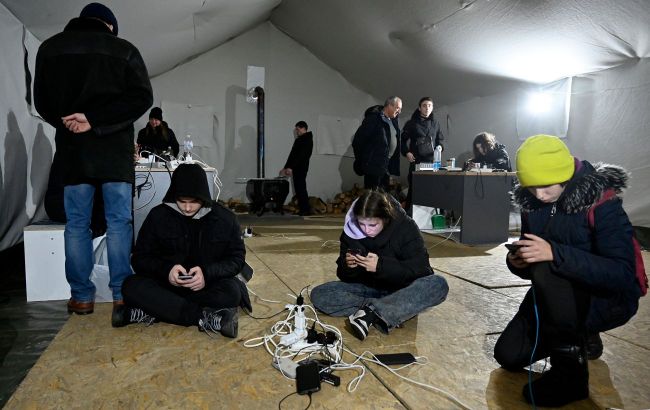 Resilience points (Photo: Getty Images)
Massive strikes on Ukraine’s energy infrastructure in Dnipro and Zaporizhzhia have caused widespread power outages and have once again raised concerns about civilian safety amid the war, according to a post by Lieutenant Andriy Kovalenko, head of the CCD.
As a result of the attacks on critical infrastructure on the evening of January 7, Dnipro, Zaporizhzhia, and Kryvyi Rih were left without electricity.
The outages affected residential areas and key elements of urban infrastructure, including hospitals, complicating communication, transportation, and utility services.
The situation unfolded amid yet another escalation caused by strikes on Ukraine’s energy system.
In his post, Lieutenant Andriy Kovalenko, head of the CCD, noted that these attacks are deliberate and targeted against civilians, indicating an attempt to create conditions for a humanitarian catastrophe in large industrial cities where hundreds of thousands of people live.
“Russians carried out strikes on critical infrastructure - Dnipro, Zaporizhzhia, and Kryvyi Rih are without power. This is deliberate terror against civilians, an attempt to create a humanitarian catastrophe. Russia is showing its unwillingness to end the war and its disregard for Trump’s peace plan,” Kovalenko emphasized.
Context and international background
The statement also highlights that such actions demonstrate Russia’s lack of intention to de-escalate.
Strikes on the energy sector are viewed as a signal of disregard for international initiatives and proposals aimed at ending the war and seeking a political solution.
What is known about the situation in Dnipro and Zaporizhzhia
On the evening of January 7, Russian forces launched a new strike on Ukraine’s energy system, leaving almost the entire Dnipropetrovsk and Zaporizhzhia regions without power.
Critical infrastructure continues to operate thanks to backup power, which helps minimize the impact on key facilities and services.
All city hospitals in Dnipro have switched to generator power following the outages. Medical services are continuing as normal, hospitals are supplied with water reserves, and wastewater systems in residential buildings are maintained through alternative power sources.
It is also reported that schools in the city have extended winter break by another two days, and approximately 130 public water stations are operating across various neighborhoods to provide residents with technical water.
In addition, power supply issues in Dnipro and Zaporizhzhia have caused disruptions to suburban and passenger trains operated by Ukrzaliznytsia, leading to temporary suspensions of some routes through Dnipropetrovsk.
The restrictions affect the routes Zaporizhzhia – Synelnykove, Chaplyne – Synelnykove, Dnipro – Chaplyne, and Pyatykhatky – Dnipro. At the same time, railway operators are quickly adjusting operations to ensure passenger safety.
From January 8, unscheduled power outages are possible across Ukraine due to a sudden cold snap. The worsening weather is associated with the arrival of a cyclone, which will move through the Chernivtsi and Ivano-Frankivsk regions in the morning and may affect the operation of utility and energy systems.
Finally, in Kyiv on Thursday, January 8, scheduled power outages remain in effect, during which residents may be without electricity for up to four consecutive hours.