Russia adds Hungary to 'unfriendly countries' list after Magyar wins

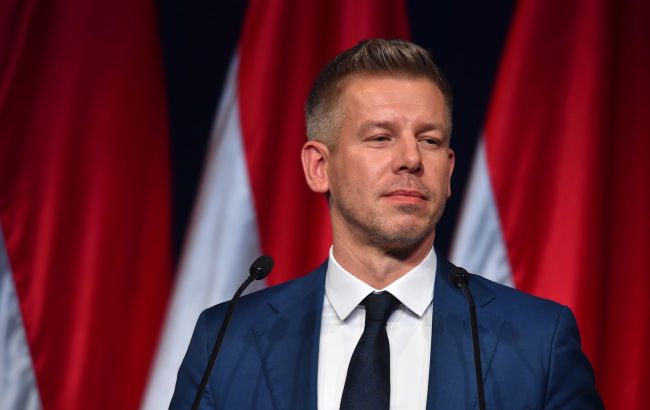 Photo: Péter Magyar (Getty Images)
On Sunday, April 12, parliamentary elections were held in Hungary. According to preliminary results, Péter Magyar secured victory, leaving the Kremlin dissatisfied, the Russian media report.
For Russian President Vladimir Putin, the pro-Kremlin candidate Viktor Orbán, who had been in power in Hungary for more than 16 years, was a convenient and beneficial partner. He was widely seen as Putin’s voice in Europe and repeatedly obstructed European decisions aimed at supporting Ukraine.
In the latest election, Orbán received full backing from Moscow, which reportedly poured significant resources into boosting the Kremlin-friendly candidate. However, Hungarian voters made a democratic choice, and opposition candidate Péter Magyar won by a wide margin.
The politician supports good relations with Europe, but his stance on Ukraine remains unclear, including what decisions he may take and how diplomatic ties will be shaped.
Even now, it is evident that the Kremlin is reacting with frustration. Pro-Kremlin Russian media have quoted Putin’s press secretary Dmitry Peskov as saying that Moscow will not congratulate Magyar on his victory in Hungary’s parliamentary elections, adding that the country is now considered "unfriendly."
What is known about Péter Magyar’s policy
Decisive election victory
The Tisza Party secured 138 out of 199 seats in parliament, giving it a dominant majority. This result provides Magyar with broad political leverage to reshape key areas of state policy and launch reforms.
Post-election remarks
Commenting on the results, the politician addressed voters with a message about the country’s future course.
"Hungarians said ‘yes’ to Europe today, they said 'yes' to a free Hungary," Magyar told supporters, calling on Orbán loyalists in state institutions to step down.
Break with the former government
Although Magyar worked at the Foreign Ministry in 2010 under Orbán’s administration, his final break with the Fidesz party came only in 2024. The trigger was a scandal linked to presidential pardons.
Rising political influence
Following the 2024 European Parliament elections, the Tisza Party established itself as the largest opposition force in the country. This result laid the groundwork for strengthening its position and ultimately achieving victory at the national level.
Key reform priorities
Among the main priorities of Magyar’s new government are fighting corruption, unlocking frozen European Union funds, introducing higher taxes for the wealthiest citizens, and reforming the healthcare system.
Ahead of Hungary’s parliamentary elections, Russia intensified a large-scale disinformation campaign aimed at boosting support for incumbent Prime Minister Viktor Orbán and undermining trust in opposition forces.
During the campaign, Orbán placed strong emphasis on Ukraine. As a result, more images of President Volodymyr Zelenskyy appeared on the streets of Hungary than of Orbán himself.