Reparations loan for Ukraine may trigger Russian lawsuits: Reuters examines implications

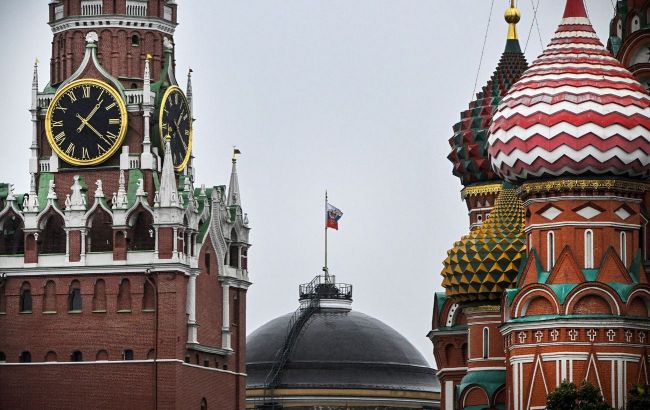 Illustrative photo: Russia will not be able to block the use of its frozen assets in courts (Getty Images)
In response to granting Ukraine a reparations loan, Russia may react with lawsuits. These will not block the use of frozen Russian assets, but predicting the outcome of these cases is difficult, according to Reuters.
The agency reminded that the Russian Central Bank filed a lawsuit in a Moscow court against Euroclear, the main holder of its assets in the EU, demanding compensation of $230 billion.
"If the central bank wins, it could seek enforcement against Euroclear's assets in other jurisdictions, especially those deemed 'friendly' by Russia," the outlet writes.
It is noted that the aggressor country could turn to the European Court of Justice. In 2021, in response to a lawsuit from Venezuela, the court ruled that a third country can legally challenge sanctions.
In addition, Russia could use the 1989 investment treaty between Belgium and the Soviet Union to fight for its assets in court.
"Russia's central bank, even as a state entity, could qualify as an investor under the treaty's wording," the journalists note.
According to them, in such a case, the matter could be referred to an arbitration court in Stockholm or the UN.
Reuters emphasizes that Russian aggression against Ukraine has been recognized as illegal in international courts.
"Russia would not be able to challenge the EU's justification to immobilise the assets in the first place as a countermeasure. Further, the mechanism is temporary and reversible if Russia stops the war. Russia's claim that the assets have been confiscated has not matured," the agency writes.
It also points out that, as a result, Russia will not be able to block the assets, since the average duration of lawsuits and appeals in the European Court is over three years. In addition, obtaining a court injunction to use the assets requires independent evidence and research.
Reparations loan for Ukraine
The European Commission has proposed granting Ukraine a reparations loan of €140 billion using frozen Russian assets.
In Brussels on December 18–19, the leaders of the European Union member states are expected to decide how financial support will be provided to Ukraine for 2026–2027.
If an agreement cannot be reached, the EU will consider a Plan B — a transitional loan funded through the bloc’s borrowing to support Ukraine at the beginning of 2026.
Bloomberg reported that the EU is considering providing Ukraine with a €90 billion loan from Russian assets, despite Belgium’s objections.