EU weighs reparations loan for Ukraine without Belgium's approval — Bloomberg

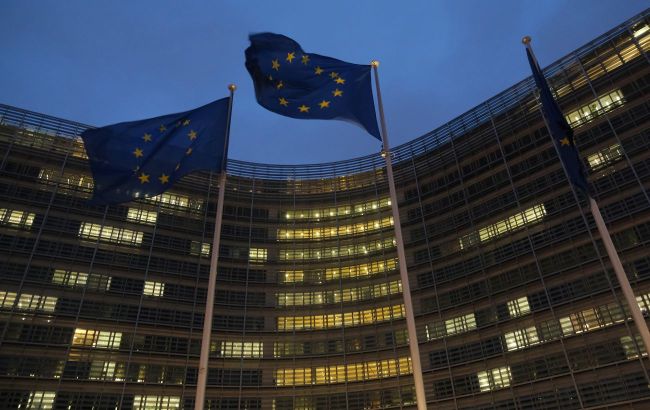 Photo: Loan to Ukraine from Russian assets – EU ready to take tough action (Getty Images)
The European Union is considering granting Ukraine a €90 billion loan from Russian assets, despite Belgium's objections, reports Bloomberg.
The European Union is increasing pressure on the leaders of member states to agree to a €90 billion loan to Ukraine, secured by frozen Russian assets.
The main obstacle remains Belgium, where most of these funds are held through the Euroclear clearing system.
“A single member of the 27-nation EU shouldn’t be able to block what is the right thing to do,” Danish Prime Minister Mette Frederiksen said on Thursday, stressing that she is ready to support the decision even without Belgium's participation, if necessary.
She stressed that in the current circumstances, the EU must be able to take the decisions necessary to protect its citizens. Frederiksen emphasized that she prefers compromise and unity, but warned that time to find a common solution is running out fast.
Belgian Prime Minister Bart De Wever, however, reiterated his objections, warning that the use of assets could violate international law and carry financial risks.
“If we jump, we need to jump together,” he stressed, recalling that Russia's claims to these funds have not been legally removed, and therefore, countries must act together.
“Either money today or blood tomorrow,” Polish Prime Minister Donald Tusk supported the tougher approach, saying that this is not only about Ukraine but also about the security of all of Europe.
The head of the EU's foreign policy, Kaja Kallas, also called the reparations loan the only realistic option, noting that the Kremlin is counting on the EU's inability to make a decision.
Reparations loan to Ukraine
The issue of financing Ukraine has become more acute after the US reduced its support at the beginning of the year, shifting the main burden to its European partners.
Negotiations in the EU have been going on for several months and have repeatedly reached an impasse due to concerns in some countries about the legal consequences.
The European Union recently extended the freeze on Russian assets, using the urgency procedure provided for in Article 122 of the EU Treaty.
A final decision on their direct use has not yet been made. Without new funds, Ukraine risks facing a financial deficit as early as spring, making the current summit one of the most important since the start of the full-scale war.
The European Union is considering introducing “Buy European” rules as part of a potential loan to Ukraine, which is planned to be secured by frozen Russian assets.
The EU still does not have a unified position on a reparations loan for Ukraine. Some leaders support financing from Russian assets, while others advocate a joint debt mechanism.
On December 18-19, a summit of EU leaders is being held in Brussels, at which a decision on financial support for Ukraine for 2026-2027 is to be made.
If no agreement is reached, the EU will consider plan B — a temporary loan from the bloc's borrowing to provide support to Ukraine in early 2026.