Refinery attacks cripple Russia's logistics as flights shrink and prices soar

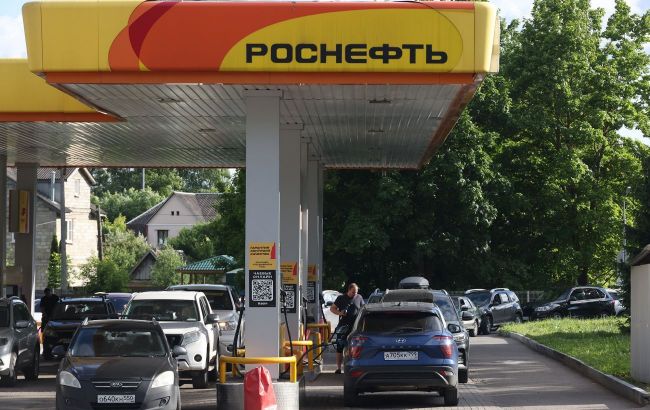 Photo: A gas station in Russia (Getty Images)
Attacks by Ukrainian drones on Russian oil refineries have triggered a massive fuel crisis in Russia. This is forcing logistics companies to cut back on transport routes and rapidly raise rates, according to Reuters.
Due to a 16–18% increase in fuel prices over the past month, transportation companies' expenses have risen by 4.5–5.5%. As a result, carriers are being forced to cancel long-distance trips en masse.
In particular, Valeria Savenkova, commercial director of Logistic Performance, notes that the company has completely suspended interregional transportation.
"We managed to reorganise our logistics operations very quickly and moved away from long-haul routes. We're no longer running deliveries across Russia's regions. And we are focusing on shorter routes within the Moscow region and delivering cargo to the nearest ports," she says.
According to her, in some areas of Siberia, where prices have been the highest, strict restrictions on fuel supplies remain in place.
Rising freight rates and inflationary pressure
According to Rosstat, in the first half of 2026, more than 70% of all cargo in Russia was transported by truck. The rise in trucking costs is exacerbating overall inflation in the country, and experts do not expect prices to return to previous levels.
Vitaly Kiselev, head of the commercial transport committee at the Russian Association of Automobile Dealers, reports that during the most acute phase of the crisis in July, rates rose by an average of 12–15%, and on some routes—by up to 50%.
"There will be no reduction in tariffs — we can say this for sure," he emphasizes.
He explains that fuel accounts for about 30% of transportation costs, and that previous discounts for carriers (ranging from 7% to 12%) have been eliminated. The situation is further complicated by increases in federal highway tolls, a shortage of drivers, and seasonal demand for perishable goods.
Complications in trade with China
Routes from China, Russia's main trading partner, have also become significantly more expensive. According to Georgy Vlastopulo, founder of Optimalog, trucks are forced to wait in line for fuel for two to three days in the Zabaykalsky Krai.
The cost of shipping cargo from China to Moscow has risen by nearly a third—to 1.1–1.2 million rubles (about $14,000)—although it previously cost $10,000–11,000.
"And we're not seeing prices fall back in any meaningful way, because problems persist in Zabaykalsky Krai," he adds.
As a result, businesses are seeking alternatives: demand for rail transport from China has risen by 18–20%, and for sea transport by 10–12%. Vlastopulo emphasized that even if supplies stabilize, rates will fall by no more than 7–10%, as carriers will try to offset losses from fleet downtime.
Overnight, Ukrainian drones struck the Gazprom Neftekhim Salavat refinery in the city of Salavat, located in the Republic of Bashkortostan.
The Russian Orsknefteorgsintez refinery completely halted operations following the Ukrainian drone strike and the subsequent fire.