Quick method to clean stovetop grates without hard scrubbing

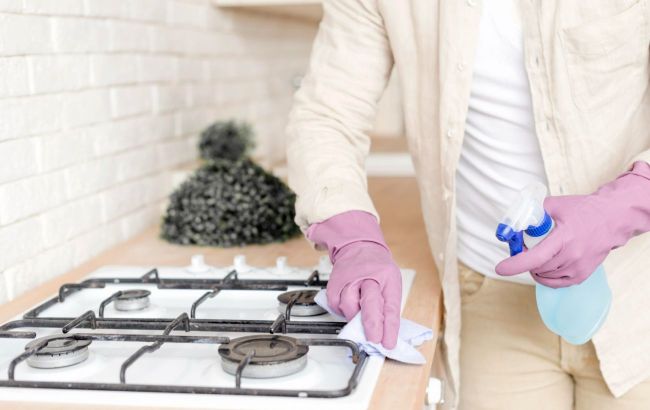 Simple way to clean stove grates (photo: Magnific)
Household gas stove grates gradually accumulate layers of grease and burnt-on residue that can be difficult to remove with regular washing. A simple method has been found that helps soften the buildup and reduces the need for heavy scrubbing while preserving the grate’s finish, according to Southern Living.
How often to clean stove grates
Stove grates should be cleaned regularly to prevent the buildup of grease, food residue, and carbon deposits. If you use your stove every day, it is best to wipe away fresh messes after cooking or at least at the end of the day.
A thorough cleaning with dish soap should be done about once every one to two weeks. If the stove is used infrequently, cleaning the grates once a month or as needed is usually sufficient.
Do not wait until a thick layer of grime forms, as old buildup is much harder to remove. After washing, make sure the grates are completely dry before placing them back on the stove.
Regular maintenance not only keeps the kitchen looking tidy but also helps extend the life of the grates and ensures burners operate evenly.
How to deep-clean stove grates
Remove the cooled grates from the stove. Fill a clean kitchen sink with enough warm water to cover them and add one tablespoon of dishwashing liquid. Soak the grates for 15–20 minutes.
Use a cleaning sponge to remove any cooked-on residue. Rinse thoroughly with clean water and dry with a clean towel.
Next, fill a pot or sink with equal parts warm water and vinegar. Soak the grates for 30 minutes.
Scrub with a cleaning sponge to loosen the remaining dirt. Rinse with clean water and dry thoroughly.
Tips for keeping stove grates clean longer
To keep stove grates cleaner for longer, the key is to prevent grease and carbon buildup from accumulating.
After each cooking session, wait for the grates to cool completely and quickly wipe them down with a damp sponge and a small amount of dish soap. It only takes a few minutes, but it prevents grease from baking onto the surface and becoming difficult to remove later.
Using a range hood while cooking is also helpful. It reduces the amount of airborne grease particles that settle on the grates and the stove. Cooking with lids on pots and pans can also minimize oil and sauce splatters.
It is important not to coat the grates with oil for protection, as it will simply burn when heated and create additional buildup. Avoid using very harsh metal brushes as well, especially on enamel-coated grates, since a damaged surface attracts dirt much more quickly.