Pyongyang pulls back from Iran as US contact rumors grow

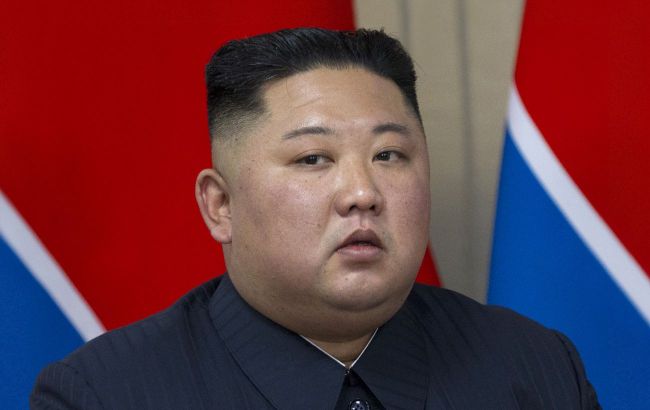 Kim Jong Un (Photo: Getty Images)
North Korea distances itself from its long-time partner Iran and is carefully managing its public stance to preserve the possibility of new relations with the US after the war in the Middle East, according to Reuters.
Read also: Kim Jong Un’s daughter identified as heir apparent by South Korean intelligence - Reuters
According to South Korean lawmaker Park Sun-won, who attended a closed briefing of South Korea's National Intelligence Service, North Korea has not yet sent weapons or supplies to Iran since the war began on February 28.
In addition, the country has not expressed public condolences over the death of Supreme Leader Ayatollah Ali Khamenei, who was killed in airstrikes. Pyongyang also did not send a congratulatory message on the election of Mojtaba Khamenei as the new Supreme Leader.
While China and Russia have repeatedly issued statements regarding the conflict, North Korea’s Ministry of Foreign Affairs has so far released only two relatively restrained responses. South Korean intelligence interprets this as a sign of Pyongyang’s tendency to avoid direct criticism of US President Donald Trump.
According to a lawmaker, the intelligence community views this restraint as an effort to lay new diplomatic ground ahead of a planned May summit between Trump and Chinese President Xi Jinping.
In late February, during the Ninth Congress of the Workers’ Party of North Korea, leader Kim Jong Un appeared to leave the door open for negotiations with Washington, stating that there is no reason the countries cannot get along well if the US recognizes North Korea’s status as a nuclear state and abandons its hostile policy.
The lawmaker added that intelligence officials interpreted Kim’s remarks as a deliberate signal aimed at maintaining positive relations with Trump and positioning Pyongyang for a new phase of diplomacy following the end of the conflict in the Middle East.
In 2025, President Donald Trump repeatedly expressed his desire to meet with Kim Jong Un, also claiming that he had always had very good relations with the North Korean leader.
In November, North Korea threatened offensive operations in response to US–South Korea security talks and the allies’ recent joint military actions.