Putin's biggest fear may explain why Russia is escalating war

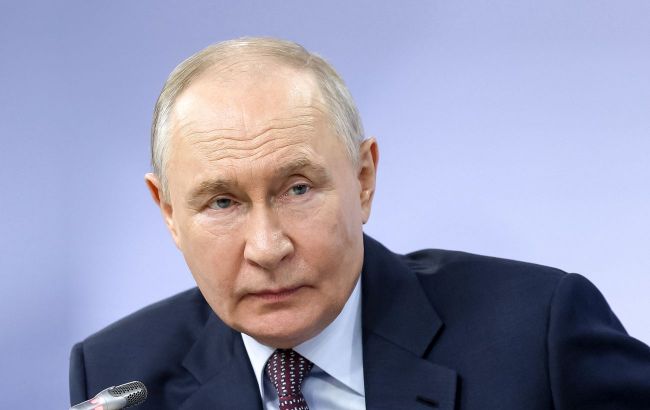 Russian President Vladimir Putin (photo: Getty Images)
Russian President Vladimir Putin has chosen a path of escalating the war in an attempt to break the deadlock on the battlefield. NATO countries are increasingly concerned about possible Russian sabotage and strikes on infrastructure, The Economist reports.
CIA Director John Ratcliffe recently made an unannounced visit to Moscow. According to various accounts, he was supposed to warn the Kremlin against attacks on the Alliance or persuade Putin to come to the negotiating table because of the bleak outlook for Russia.
However, just three days after the visit, a series of incidents were recorded in Europe:
-
Finland asked Sweden for assistance in patrolling its border with Russia using aircraft and naval forces;
-
Germany is preparing to accuse Moscow of plotting an explosives attack at Leipzig Airport;
-
Romania destroyed a Russian drone near its offshore drilling platform;
-
Slovakia prevented an attempted arson attack on a drone manufacturing plant on August 25.
According to insiders, Putin viewed the CIA chief's visit as a sign of US weakness — just as he did Bill Burns' visit in November 2021 ahead of the full-scale invasion.
Analysts at the media outlet emphasize that the decision to escalate is driven by domestic factors, as Putin's main goal is to preserve his own power and life. Amid long-range strikes by Ukraine's Defense Forces on Russian territory, anxiety among Russians is growing, while the Russian leader's ratings are falling.
The Kremlin regime is guided by criminal logic, in which showing weakness is considered unacceptable. Putin sees ending the war without accomplishing the minimum objective — capturing the entire territory of Donbas — as a threat to his own existence.
"They will hang me," the leader once told his associates during the war.
Hybrid war against the West and 400,000 recruits
Western intelligence agencies believe that Moscow will avoid a direct military confrontation with NATO. Instead, Russia plans to intensify hybrid attacks, sabotage at European factories producing weapons for Ukraine, and strikes on supply logistics routes.
Inside Ukraine, the enemy is preparing another series of massive attacks on the energy sector, which the Russian Defense Ministry openly announced on August 30. In addition, the Kremlin intends to recruit another 300,000–400,000 people into the military.
To do this, a new wave of mobilization will not be announced — forced recruitment will be carried out by regional administrations in order to suppress potential discontent locally. The new conscription system is already being tested in the Penza region. In addition, Russia is expected to intensify repression against "internal enemies" to demonstrate strength.
Putin wants the war to continue
Recently, the Kremlin leader has repeatedly stated publicly that he intends to continue hostilities. During a meeting with the United Russia party, he categorically rejected the possibility of ending the war.
On August 22, Putin also announced strikes on the most sensitive sectors of Ukraine's economy, calling Ukraine's successful attacks on Russian warehouses opening "Pandora's box."
Recently, Putin said that massive attacks on Ukraine are "effective and timely" and allegedly help the Russian army carry out its tasks on the front line.
First Deputy Head of the Office of the President of Ukraine Sergiy Kyslytsya also noted that Putin is not actually interested in peace talks, as he is relying on terror against civilians and hopes that Ukrainians will not survive the winter period.